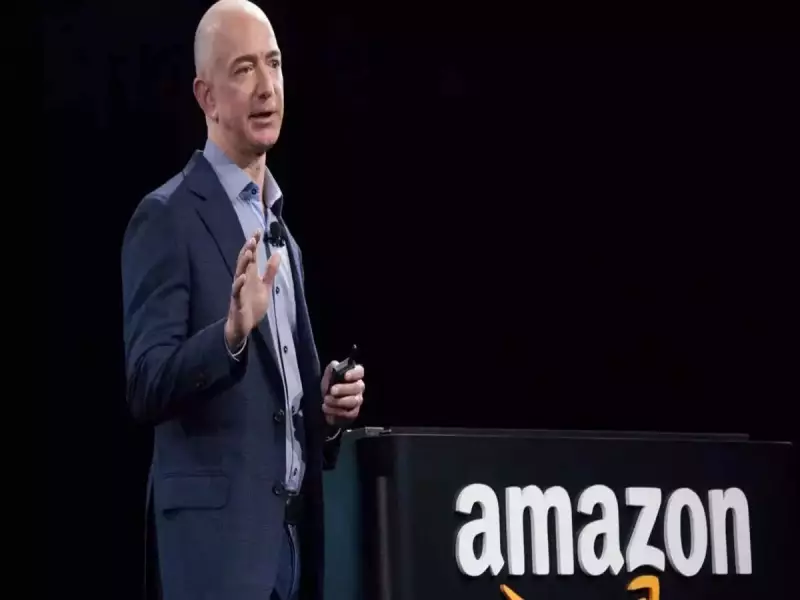
The widely cited observation by Jeff Bezos, "Your brand is what other people say about you when you're not in the room," takes on profound significance when examined through a professional lens. In today's competitive work environments, this statement serves as a powerful reminder that reputation is not merely crafted through self-presentation but is deeply shaped by the perceptions and discussions that occur in one's absence.
The Core of Professional Branding
Workplaces are intricately moulded by various elements such as performance reviews, leadership assessments, and the subtle dynamics of informal influence. Reputation often travels faster and more effectively than tangible results, highlighting a critical truth: your professional standing is less about what you showcase in formal meetings and more about how colleagues describe you after you have left the conversation.
For professionals navigating highly competitive fields, Bezos' quote acts as a quiet yet urgent warning. While titles, credentials, and polished communication skills may initially capture attention, they do not inherently guarantee trust or long-term credibility. What truly endures is consistent behavior—how reliably you deliver on commitments, how you treat others under pressure, and whether your actions remain steadfast even when no one is watching.

Why Bezos' Perspective Holds Weight
Jeff Bezos speaks from a place of extensive experience rather than abstract theory. Born in Albuquerque in 1964 and trained as an engineer at Princeton, he transformed Amazon from a modest online bookstore into one of the world's most influential corporations. This journey was fraught with prolonged periods of scepticism, public criticism, and delayed rewards.
Throughout Amazon's remarkable ascent, Bezos became renowned for his long-term strategic thinking and an intense focus on execution. Internally, he placed disproportionate emphasis on customer experience and operational discipline. Externally, he was frequently misunderstood or misrepresented. Over time, however, a consistent professional reputation emerged: he was seen as demanding, analytical, and unwavering in his direction. This reputation was not manufactured through clever messaging; it was forged through repeated decisions and actions.
Performance Matters Most in Your Absence
For professionals, Bezos' insight illuminates a somewhat disconcerting reality: the most consequential conversations about you often occur when you are not present to participate or explain yourself. Discussions surrounding promotions, leadership evaluations, and hiring decisions are significantly influenced by what peers and managers say in your absence.
This underscores why consistency holds greater importance than mere visibility. Professionals who are dependable, fair, and well-prepared tend to accumulate trust quietly and organically. In contrast, those who rely heavily on self-promotion or proximity to power often discover that their influence diminishes rapidly once they exit the room.
Trust Is Built in Ordinary Moments
One of the most valuable lessons professionals can derive from Bezos' philosophy is that reputation is formed during routine, everyday interactions rather than in headline-grabbing moments. How you respond to a challenging email, how you handle credit within a team project, or how you react when a plan fails—these seemingly minor instances collectively define how you are remembered and discussed.
Bezos has consistently emphasised the importance of learning from failure and iterating quickly. For professionals, this translates into practices such as owning mistakes instead of deflecting blame and demonstrating resilience rather than defensiveness. These traits are keenly observed, discussed among colleagues, and remembered over time.
Leadership Without Proximity
The quote is particularly instructive for individuals in leadership roles. Authority does not automatically accompany a position; it travels through the currency of trust. Leaders who exert influence only when physically present often find that their impact evaporates in their absence.

Bezos' leadership style, though frequently criticised for being demanding, has been marked by clarity and consistency. Teams understood expectations and standards even when he was not in the room. For aspiring leaders, this presents a critical lesson: the true strength of your leadership is measured by how people act and make decisions when you are not watching.
A Professional Brand That Endures
In modern career landscapes, where movement between roles and organisations is increasingly common, reputation functions as a vital form of professional currency. While skills and qualifications may open doors, it is your reputation that ultimately determines how far you are allowed to progress through them.
Bezos' words offer professionals a demanding yet practical standard: strive to build a reputation that does not require constant explanation or defense. Act in ways that naturally invite respect, even in private conversations. When your name arises in your absence, the narrative others share should align with your values and actions, needing no correction. This, ultimately, is the professional brand that stands the test of time and fosters enduring success.