Karan Adani Advocates for India's Energy Independence Amid Global Supply Chain Disruptions
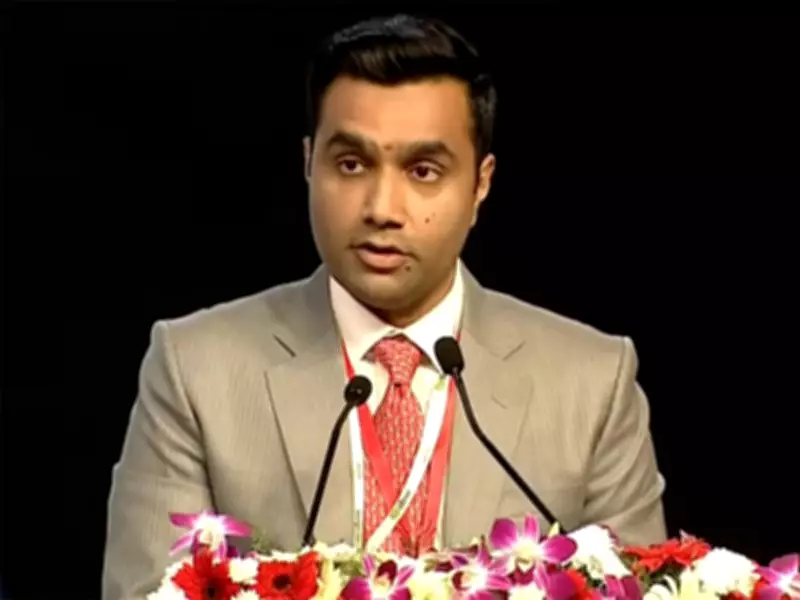
In a significant address at the India Today conclave in New Delhi, Karan Adani, Managing Director of Adani Ports and Special Economic Zone (APSEZ), highlighted the urgent need for India to achieve self-reliance in energy imports. This call comes in response to the ongoing supply chain disruptions caused by the West Asia crisis, which has impacted global commodity flows.
Addressing Supply Vulnerabilities
Karan Adani pointed out that any imported commodity, such as crude oil, gas, or LPG, is susceptible to supply disruptions. "Anything which is imported—I would say any commodity where the country is reliant from an import perspective—will get affected. This kind of event affects all commodities across the board," he stated. He emphasized that India must explore alternatives to reduce dependence on foreign energy sources, leveraging domestic resources like coal, crude, and gas.
Strategic Focus on Energy and Infrastructure
Discussing the Adani Group's role, Karan Adani outlined three core verticals: energy, ports and logistics, and materials and science. In the energy sector, the group is focused on providing affordable power through an integrated approach, including thermal and renewable generation, transmission, and distribution. He also mentioned recent ventures into battery storage and data centers as part of their expansion strategy.

Regarding infrastructure, he stressed the importance of having robust domestic systems to ensure stable supply chains. "Having your own infrastructure becomes extremely critical for a country to make sure that your supply chain is stable and reliable," he said, noting that Adani Ports is prepared to handle all cargo entering India, prioritizing essential items like energy, LPG, and crude.
Organizational Transformation for Growth
With the Adani Group planning an annual capital expenditure of two lakh crores over the next five years, Karan Adani acknowledged the need for internal restructuring. He revealed plans to reduce management layers from ten to six to enhance decision-making speed and operational efficiency. "We've become quite slow and heavy. We are going through a transformation to focus on our core competencies and bring in transparency and accountability," he explained, highlighting a shift towards partnership models for execution.
Broader Implications for India's Economy
The West Asia crisis, involving tensions between the US, Israel, and Iran, has underscored the risks of energy dependence. Karan Adani's remarks align with broader national efforts to boost energy security and economic resilience. By accelerating energy independence and strengthening supply chains, India can better navigate global uncertainties and protect its economic interests.
This discussion at the conclave not only shed light on immediate challenges but also outlined a forward-looking strategy for sustainable growth in a volatile global landscape.