The Karnataka government has withdrawn the 'Industrial Township' status granted to the Peenya Industrial Area, just a year after it was declared a special investment region. This decision, announced in a notification by the urban development department on Tuesday, deals a significant blow to plans for a separate governance model for one of Asia's largest industrial clusters.
Reason for Withdrawal
The notification stated that the Peenya Industrial Area already falls within the jurisdiction of the Bruhat Bengaluru Mahanagara Palike (BBMP) corporation limits. Therefore, the area cannot be brought under the Karnataka Industrial Areas Development Board (KIADB) or any other authority by removing it from the civic administration framework. The proposal, initially put forward by the commerce and industries department, aimed to notify Peenya as a special investment region and transfer its administration to KIADB.
Impact on Civic Infrastructure
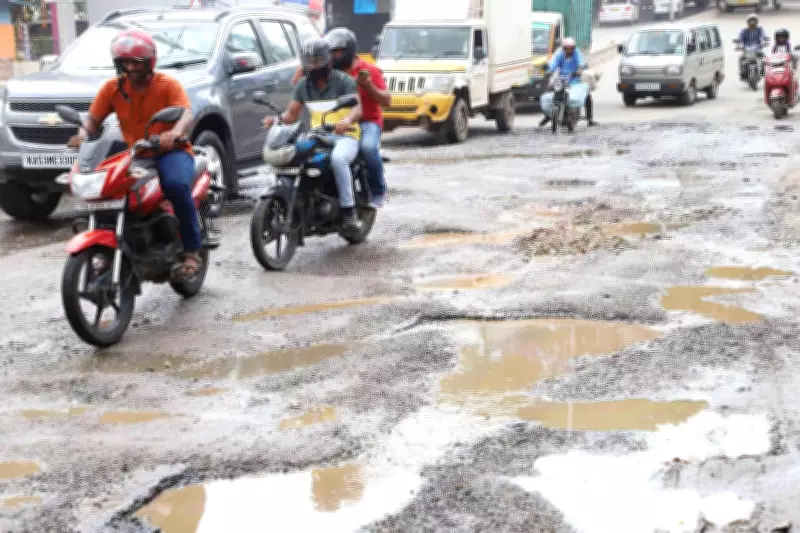
The rollback is seen as a setback to efforts aimed at creating a dedicated industrial township for Peenya, which continues to suffer from major civic infrastructure issues, including poor roads, drainage, and waste management problems. The industrial area houses over 13,500 industrial units, employs more than 14 lakh people, and contributes over Rs 8,500 crore in taxes annually to the government.

Other Special Investment Regions
The notification clarified that apart from Peenya, 17 other special investment regions announced by the industries department will continue to be governed under the Greater Bengaluru Governance Act-2024, the Karnataka Municipal Corporations Act-1976, and the Karnataka Municipalities Act-1964. Local bodies and municipal corporations will retain administrative powers, including property tax collection and other civic responsibilities.
Background of the Decision
In June 2025, the government had issued a notification declaring Peenya's 1st, 2nd, 3rd, and 4th phase industrial areas, spread across 1,461.5 acres, as a special investment region. That notification also appointed KIADB as the nodal agency to administer the region and collect taxes. Under the proposed model, 70% of the revenue generated through taxes was to be used for improving civic infrastructure within the industrial area, while the remaining 30% was to be shared with the city corporation.
Industry Reactions
Shiva Kumar R, former president of the Peenya Industries Association, expressed disappointment, stating that the government's decision to declare Peenya as a special investment region had brought no tangible change for industries. He noted that the government had promised the formation of a 15-member committee, but industries were given representation through only two members, while the majority were government officials. Even that committee was never formed.
Kumar alleged that although KIADB has been collecting taxes, there is no clarity on how the funds are being utilized or any concrete plan for infrastructure improvement. He also pointed out that property records remain a major issue in the industrial area. Khatas were originally issued by the erstwhile BBMP, but over the years, original plot owners have sold portions of their properties, leading to multiple industrial units functioning within a single plot. KIADB has failed to address issues related to property identification numbers and ownership records.
Criticizing the poor condition of roads in the industrial hub, Kumar said infrastructure remains neglected despite its economic importance. He claimed that even village roads are in better condition than roads in Peenya, despite the area being close to the national highway.
Future Prospects
There was hope for an industrial township authority on the lines of the Electronics City Industrial Township Authority (ELCITA), but that model never materialized. On the latest proposal to bring Peenya under the Greater Bengaluru Authority framework, Shiva Kumar said industry representatives are yet to receive clarity from the government.