LPG Cylinder Shortage Cripples Hospitality Sector in Major Indian Cities
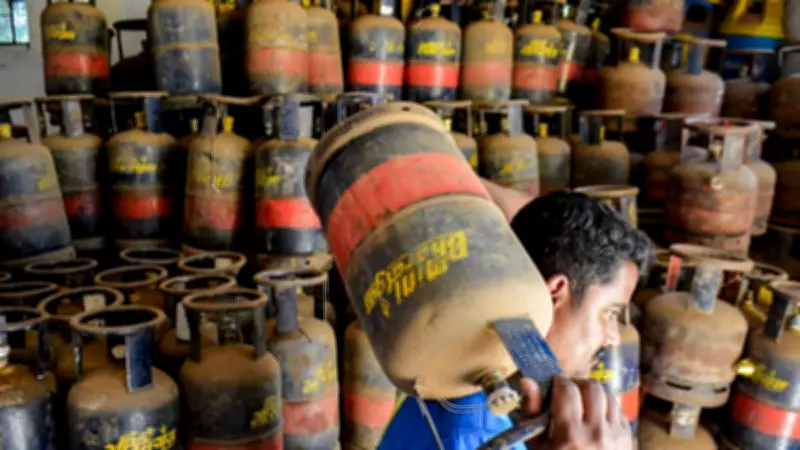
A critical shortage of liquefied petroleum gas (LPG) cylinders is causing widespread operational disruptions across India's key metropolitan hubs. The supply crisis has escalated to a point where approximately 20 percent of hotels in Mumbai have been compelled to shut down temporarily. Simultaneously, restaurants and eateries in Bengaluru and Chennai are raising urgent flags over severe supply constraints, threatening daily business continuity.
Mumbai Hospitality Bears the Brunt with Forced Closures
The financial capital, Mumbai, is witnessing one of the most severe impacts. Reports indicate that around one-fifth of the city's hotels have closed their doors due to the unavailability of LPG cylinders, which are essential for cooking and other operational needs. This abrupt shutdown is not only affecting revenue streams but also leading to significant inconvenience for patrons and potential job losses in the sector. The situation underscores a critical dependency on consistent LPG supply for the hospitality industry's survival.
Bengaluru and Chennai Restaurants Sound Alarm Over Supply Issues
In parallel, the tech hub of Bengaluru and the cultural capital Chennai are grappling with similar challenges. Numerous restaurants in these cities have reported acute shortages, forcing them to operate at reduced capacity or seek alternative, often more expensive, fuel sources. The supply issues are disrupting meal services, affecting customer satisfaction, and increasing operational costs. Industry stakeholders in these regions are calling for immediate intervention to stabilize the supply chain and prevent further economic fallout.

Root Causes and Broader Implications of the LPG Crisis
The LPG cylinder shortage is attributed to a combination of logistical bottlenecks, increased demand, and potential supply chain disruptions. This crisis highlights vulnerabilities in the distribution network, impacting not just the hospitality sector but also households and small businesses reliant on LPG for daily operations. The broader implications include potential inflation in food prices, reduced economic activity in affected areas, and heightened concerns over energy security in urban centers.
As the situation unfolds, businesses are urging authorities to address the supply gaps promptly to mitigate long-term damage to India's vibrant hospitality and restaurant industries.