

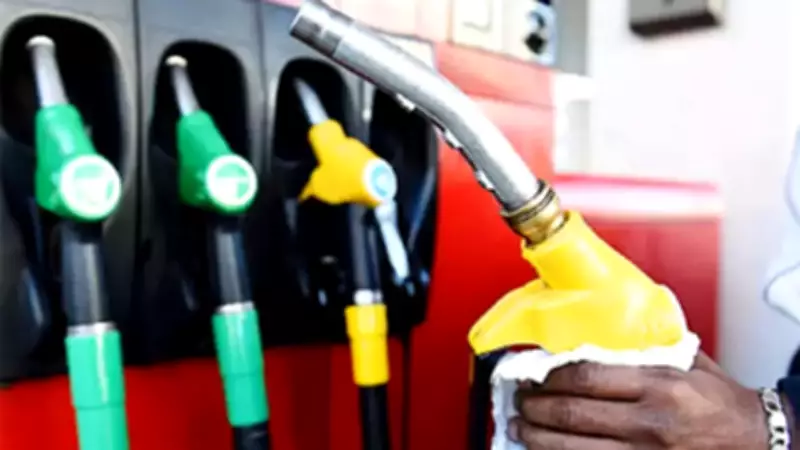
Fuel Panic Grips Mumbai Region as New Payment Rules and Rumors Spark Long Queues
Rumors of a potential fuel shortage, combined with a significant change in dealer payment regulations, triggered widespread panic buying across the Mumbai Metropolitan Region (MMR) on Friday. This led to extensive queues forming at petrol pumps throughout the area, significantly increasing sales by over 40%, particularly at smaller stations with limited storage capacity.
Supply Chain Remains Intact Despite Public Anxiety
Oil company officials and petrol dealers were quick to clarify the situation, stating that refinery operations and fuel dispatches across Maharashtra, including the MMR, are proceeding normally. They confirmed that tankers have been delivering supplies to pumps since early morning and emphasized there is no statewide shortage of petrol or diesel. The real disruption, they explained, stems from a newly implemented advance payment system for dealers.
The Core Issue: A Shift to Advance Payments
Until March 16, dealers benefited from a short-term credit cushion, allowing them to lift fuel and make payment a day or two later. This flexibility has now been removed. Under the new rules, dealers must first deposit the full payment amount before they can place an order for delivery. While larger pumps with stronger cash flow and reserve storage can manage this shift, it poses a severe challenge for smaller dealers, especially during unexpected surges in demand.

The situation is further complicated by upcoming bank holidays. Dealers highlighted that if payments are not deposited before banks close, some pumps may be unable to place fresh orders in time. With bank holidays on Saturday and Sunday, followed by additional closures next week for Mahavir Jayanti and the annual bank closing, some outlets could face temporary dry spells if they miss the critical payment window. Similar pressure may arise around Good Friday.
Storage and Demand Dynamics Exacerbate the Crisis
A typical petrol pump procures approximately 12,000 litres of petrol and 8,000 litres of diesel. Larger stations often maintain a 50% buffer stock, enabling them to continue sales while awaiting the next tanker. In contrast, smaller pumps usually have less storage and financial flexibility, causing their stocks to deplete rapidly during sudden sales spikes.
An additional factor increasing the load on city pumps is diesel demand from heavy goods vehicles. Some trucks unable to refuel on highways are entering Mumbai to top up, adding to the congestion. This has led to partial dryouts at some pumps, with a few nearing shutdown until fresh stocks arrive.
Dealers Urge Calm and Clarify Timelines
Dealers' associations have urgently appealed to citizens not to panic. They assured that affected pumps are likely to receive supplies within six to 24 hours, or at most within two days. Chetan Modi, President of the Petrol Dealers' Association, stated, "Fuel is available, supply lines are working, and the queues are largely the result of panic buying colliding with advance payment and bank closure constraints."
In Thane, apart from one petrol pump in Kapurbawdi—where long queues are a regular occurrence—pumps within the city did not witness any unusual rush. The owner of BabuBhai Petrol Pump in Thane appealed to motorists to avoid forming unnecessary queues or stocking excess fuel. Citizens were also requested not to carry bottles or containers for extra fuel. A motorist at the scene expressed typical anxiety, saying he did not want to take any chances given the uncertainty.
Sources indicated that a few pump owners in Mumbai have managed to secure fuel on credit from an oil marketing company during the holiday period, although this privilege was not extended to all pump owners across the MMR. The overall message from officials remains clear: while logistical and payment hurdles exist, there is no actual fuel shortage, and supplies are continuing to flow.






