Centre Issues Temporary Kerosene Storage Permission to Ease Fuel Supply Pressures
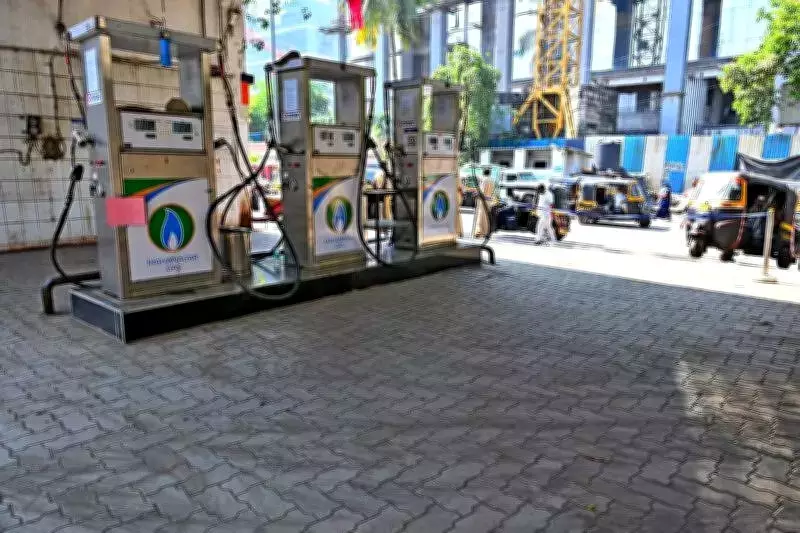
In a significant move to address fuel availability concerns, the Centre on Tuesday issued circulars to petrol pumps across Maharashtra, granting a one-month temporary permission to store superior kerosene in barrels on their premises. This directive comes with stringent safety conditions and operational restrictions aimed at preventing accidents and ensuring compliance.
Minister Bhujbal Addresses Legislative Assembly on Fuel Situation
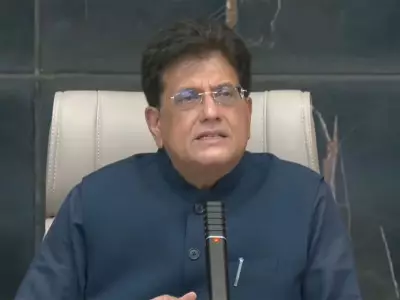
The decision follows an announcement by Food, Civil Supplies, and Consumer Protection Minister Chhagan Bhujbal, who detailed steps being taken to alleviate pressure on fuel and essential supplies. In the legislative assembly, Bhujbal stated, "Some ships were blocked due to the international situation; however, some ships have been released and have reached Mumbai, Kandla, and Kochi."
He emphasized that the Centre is actively working to increase fuel supply from countries like Russia and Iran, with expectations that the situation will improve within 8 to 10 days after ship arrivals. Until then, priority is being given to domestic gas, hospitals, and educational institutions.

Fuel Availability and Pricing Reassurances
Seeking to calm public fears, Bhujbal assured that petrol and diesel stocks are adequate, and there has been no hike in rates. He highlighted efforts to maximize domestic LPG production, with refineries directed to use butane and propane to increase output from 9,000 metric tonnes to 11,000 metric tonnes.
The state government has also enhanced refill supplies of domestic LPG cylinders, reducing waiting times and providing relief to households affected by recent disruptions. Officials noted that the situation has eased somewhat, with priority now focused on domestic consumers and essential services.
International Context and Strategic Measures
Referring to the Hormuz Strait situation, Bhujbal mentioned that Iran has indicated only "enemy ships" would be stopped, and India expects its vessels to pass through safely, which should help mitigate the gas crisis. He also confirmed that India is procuring petroleum products from Russia to cushion the impact of supply chain disruptions.
In light of these special circumstances, the government has decided to expand kerosene distribution across the state. Bhujbal added, "There has been no increase in the price of petrol and diesel at present. It is not certain whether there will be an increase in the future, but it is expected that there should be no increase." He noted that a twenty per cent ethanol blend is currently in effect.
Enforcement and Safety Protocols
Bhujbal reported that vigilance squads have conducted 2,129 raids, seizing 1,208 LPG cylinders, with 23 cases registered and 18 people arrested. Efforts are underway to smoothen the kerosene supply chain and distribute it through available dealers, with instructions given for commercial gas distribution to essential service providers.
The Centre's directive outlines specific safety measures for kerosene storage:
- A kerosene storage shed cannot be built above underground petroleum tanks.
- It must be at least 6 metres from dispensers, 4 metres from underground tank vent points, and 3 metres from fill points.
- The storage area must be segregated with suitable barricading.
- Drums and barrels are to be opened only when necessary for drawing fuel, with precautions to prevent leakage, vapour escape, fire, or explosion.
An official elaborated, "The directive states that flameproof electrical fittings, motors, and pumps must be used, while mobile phones and any ignition sources are barred from hazardous areas. Licensees have been asked to maintain daily records of receipts and issues of kerosene and produce them for inspection on demand."
Broader Implications and Future Outlook
This temporary measure aims to provide immediate relief amid ongoing fuel supply challenges, balancing operational needs with rigorous safety standards. As the Centre and state government collaborate to stabilize fuel availability, stakeholders are advised to adhere strictly to the new guidelines to ensure public safety and efficient distribution.