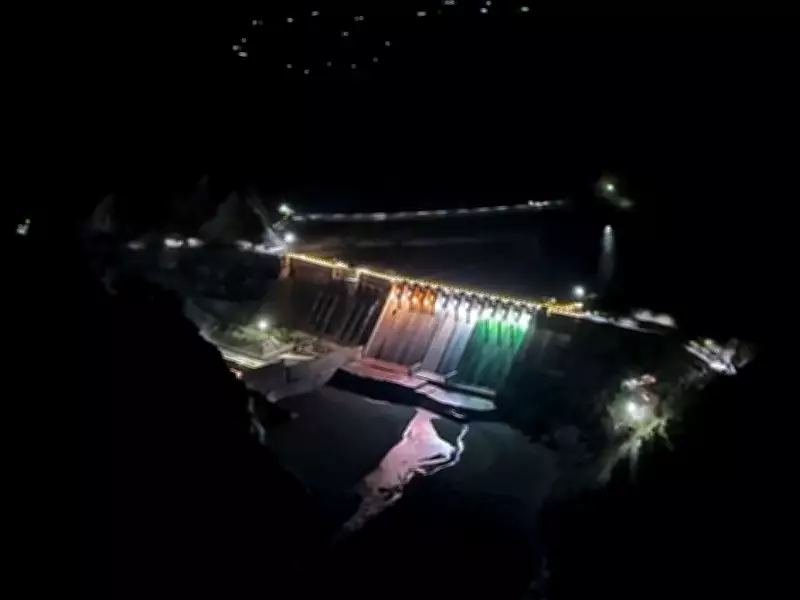
One year after the launch of Operation Sindoor, India has maintained its decision to keep the gates of dams on the Indus River closed, reinforcing its stance on what it terms an 'unjust treaty'. The move continues to impact water flow to downstream regions, as New Delhi asserts its rights under the Indus Waters Treaty.
Background of the Indus Waters Treaty
The Indus Waters Treaty, signed in 1960 between India and Pakistan, allocates the waters of the Indus River system. However, India has long argued that the treaty is outdated and does not reflect current geopolitical realities. Operation Sindoor, initiated a year ago, was a strategic move to assert India's control over the eastern rivers.
Impact of Dam Closure
By keeping the dam gates shut, India has effectively reduced water supply to Pakistan, affecting agriculture and power generation in the downstream regions. Indian officials maintain that this is within their rights under the treaty, as the dams are on rivers that flow through Indian territory.

- Reduced water flow to Pakistan's Punjab and Sindh provinces
- Increased water storage for Indian irrigation and hydropower projects
- Strategic leverage in bilateral relations
India's Position on the Treaty
India has consistently called for a review of the Indus Waters Treaty, citing changes in climate, population, and water needs. The government argues that the treaty was signed under different circumstances and does not account for India's developmental requirements. New Delhi has also raised concerns about the treaty's dispute resolution mechanism.
International Reactions
The international community has taken note of India's actions. While some countries have urged restraint and dialogue, others have remained silent. The World Bank, a signatory to the treaty, has called for peaceful resolution of differences.
- Pakistan has condemned the move as a violation of the treaty
- China has expressed concern over potential regional instability
- India has engaged in diplomatic outreach to explain its position
Future Prospects
As the one-year mark of Operation Sindoor passes, India shows no signs of backing down. The government has announced plans to further develop hydropower projects on the Indus tributaries. Meanwhile, water-sharing talks remain stalled, with India insisting on a comprehensive review of the treaty before any resumption of normal flows.
Experts suggest that India's firm stance could lead to a renegotiation of the treaty, but it also risks escalating tensions in the region. The situation remains fluid, with both sides holding firm to their positions.