

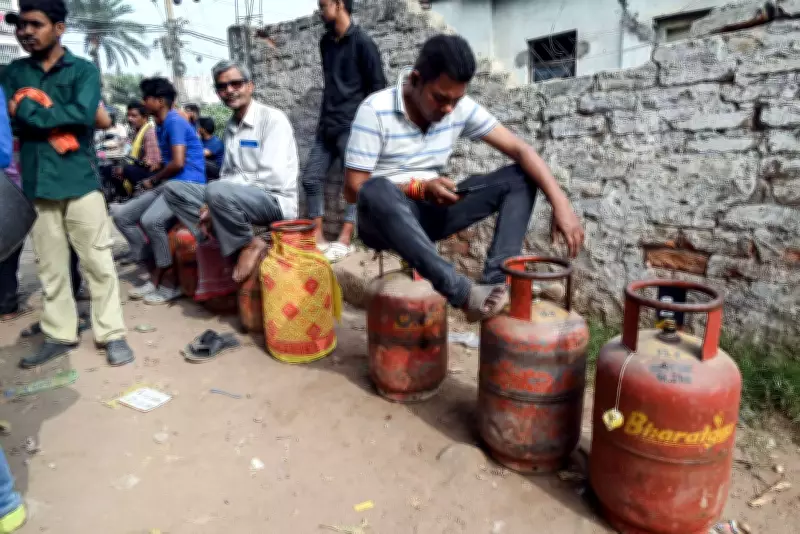
Patna Grapples with Massive LPG Waitlist as Geopolitical Tensions Disrupt Supply
The cooking gas crisis in Patna district has reached alarming proportions, with a staggering waiting list of 189,006 consumers now highlighting the severe disruption in the local energy supply chain. This situation persists despite the Patna administration's firm stance that there is no actual shortage in the supply of liquefied petroleum gas (LPG).
Panic Bookings Overwhelm Daily Supply
These consumers represent households that have booked their LPG cylinders but have yet to receive delivery. According to data from the Patna district administration, while 47,168 cylinders arrive from oil companies daily, the number of bookings on a single Thursday reached 35,848. This surge has been largely attributed to households booking refills prematurely out of fear of a total supply collapse, driven by ongoing conflicts in West Asia that continue to disrupt global energy logistics.
Across 136 gas agencies catering to 1,665,360 consumers, the average daily sale of 39,259 cylinders remains staggered and insufficient to clear the massive queue of households waiting for refills. The conflict-related disruptions have created a perfect storm of supply chain anxiety and consumer panic.

Administration's Response and Projected Timeline
"It will take almost a week to 10 days for the situation to stabilise and for the backlog to reduce," stated Ravindra Kumar Diwakar, additional district magistrate for supply. He emphasized that the current supply actually exceeds demand, with approximately 5,000 people being removed daily from the waitlist through systematic distribution efforts.
Diwakar explained the administration's strategic approach: "At one point, due to the regular distribution of cylinders, demand will reach a point of saturation, which will naturally stabilise the situation. For now, when the demand reduces, the supply will remain constant, and the backlog will therefore gradually diminish."
The Strategy to Break the Panic Cycle
The administration's strategy relies on a crucial psychological and logistical breakthrough. Once the district's 1.6 million consumers have received their immediate refills, the cycle of "panic booking" is expected to break. By maintaining a steady influx of over 47,000 cylinders against the natural daily consumption rate, officials anticipate that the surplus will eventually outpace the spike in bookings caused by the current geopolitical climate.
This approach acknowledges that while the physical supply chain faces disruptions from international conflicts, the immediate crisis in Patna is being exacerbated by consumer behavior. The administration is banking on normalization of booking patterns once households feel secure about their immediate LPG needs.
Broader Context and Implications
The Patna LPG crisis serves as a microcosm of how geopolitical tensions in West Asia can ripple through local economies thousands of miles away. While the administration maintains there is no fundamental shortage, the perception of scarcity has created a self-fulfilling prophecy of delayed deliveries and anxious consumers.
The situation underscores several critical points:
- The vulnerability of local energy supplies to international conflicts
- The psychological impact of supply chain uncertainty on consumer behavior
- The challenge of managing public perception during logistical disruptions
- The importance of transparent communication between authorities and citizens
As the administration works through the backlog, all eyes remain on the geopolitical developments that continue to influence global energy markets and local supply chains across India.






