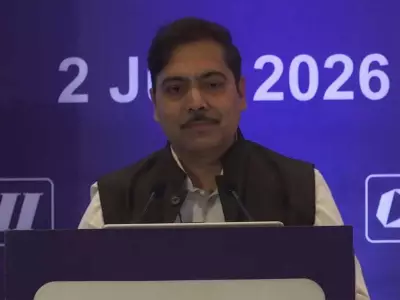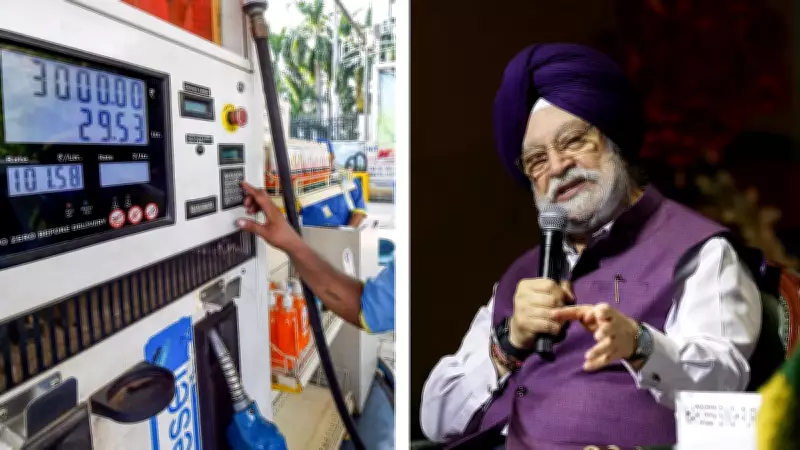
Union Minister for Petroleum and Natural Gas Hardeep Singh Puri has indicated that petrol and diesel prices in India could see a reduction if global crude oil prices remain low for a sustained period. Speaking at a press conference on July 2, 2026, Puri said, 'If this (low crude oil prices) persists next two, three months, then there could be a legitimate question, but, you know, that's hypothetical.'
Current Fuel Pricing Mechanism
India's fuel prices are largely determined by the international crude oil market. State-owned oil marketing companies (OMCs) revise petrol and diesel prices daily based on the rolling average of global crude prices over the previous 15 days. The government has not directly controlled fuel prices since June 2010, when it deregulated petrol pricing, followed by diesel in October 2014.
However, excise duty and value-added tax (VAT) imposed by the central and state governments significantly influence the final retail price. In recent years, the central government has occasionally cut excise duties to provide relief to consumers, but such moves have been rare.

Impact of Global Crude Prices
Crude oil prices have been volatile in 2026, influenced by geopolitical tensions in West Asia, production decisions by OPEC+, and global economic slowdown fears. As of early July 2026, Brent crude was trading around $75 per barrel, down from a peak of $95 in early 2026. If this trend continues, analysts expect potential relief for Indian consumers.
According to the Ministry of Petroleum, India imports about 85% of its crude oil requirements, making domestic fuel prices highly sensitive to international movements. A sustained drop in crude prices can lower the import bill and reduce under-recoveries for OMCs, which may pass on benefits to consumers.
Government's Stance on Price Cuts
Puri emphasized that any decision on price reduction would depend on the persistence of low crude prices. He stated, 'We are monitoring the situation. The government is committed to ensuring affordable fuel for citizens while maintaining fiscal discipline.' The minister also noted that the government has not interfered with OMCs' pricing decisions in recent months, allowing market forces to operate.
Industry experts suggest that a two- to three-month period of low crude prices could lead to a cumulative reduction of ₹2-3 per liter in petrol and diesel prices. However, they caution that global uncertainties, including potential supply disruptions, could reverse the trend.
Consumer Expectations and Political Implications
Fuel prices remain a politically sensitive issue in India, with opposition parties often criticizing the government for high taxes. A price cut before upcoming state elections could provide political mileage to the ruling party. However, Puri dismissed any immediate plans, calling the scenario 'hypothetical.'
Consumer groups have welcomed the possibility of relief but urged the government to reduce excise duties further. 'Even a small cut in excise duty would have a significant impact on household budgets,' said a spokesperson for the Consumer Federation of India.