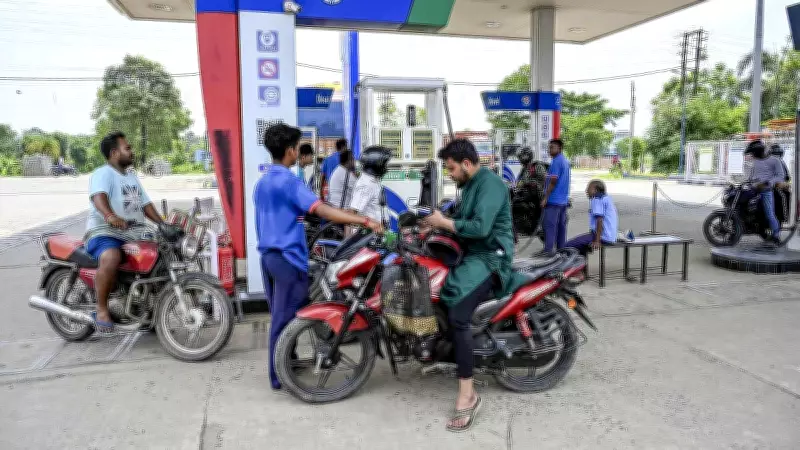
In a fresh blow to consumers, petrol and diesel prices have been increased by 90 paise per litre, marking the second price revision in the last five days. This latest hike comes on the heels of a steep Rs 3 per litre increase on May 15, further straining household budgets across the country.
Current Fuel Prices in Major Cities
As of May 19, 2026, petrol is retailing at Rs 98.64 per litre in the national capital, Delhi. In Bengaluru, the price has climbed to Rs 107.12 per litre. Diesel prices have also seen a corresponding increase, though specific rates vary by state due to local taxes and levies.
Impact on Consumers
The consecutive price hikes have sparked concerns among commuters and businesses alike. With fuel costs rising, transportation expenses are expected to go up, potentially leading to higher prices for essential goods and services. The increase is particularly challenging for daily wage earners and those reliant on personal vehicles for their livelihood.

Government's Stand
While the government has not issued an official statement on the latest revision, sources indicate that the hikes are aligned with global crude oil price trends. India imports a significant portion of its crude oil requirements, making domestic fuel prices sensitive to international market fluctuations. The recent surge in global crude prices has compelled oil marketing companies to adjust rates accordingly.
Historical Context
Prior to this month's increases, fuel prices had remained relatively stable for several weeks. The cumulative hike of Rs 3.90 per litre in under a week represents one of the sharpest short-term increases in recent memory. Analysts suggest that further revisions may be on the horizon if global crude prices continue their upward trajectory.
What Lies Ahead
Consumers are advised to brace for potential additional hikes as the government balances fiscal considerations with the need to keep inflation in check. Meanwhile, opposition parties have criticized the ruling administration for failing to provide relief to the common man. Calls for reducing excise duties and value-added taxes (VAT) on fuel have grown louder, though no immediate policy changes are expected.
As the situation evolves, citizens are urged to monitor daily price updates and plan their fuel purchases accordingly. The coming weeks will be crucial in determining whether the current trend of rising fuel prices continues or stabilizes.