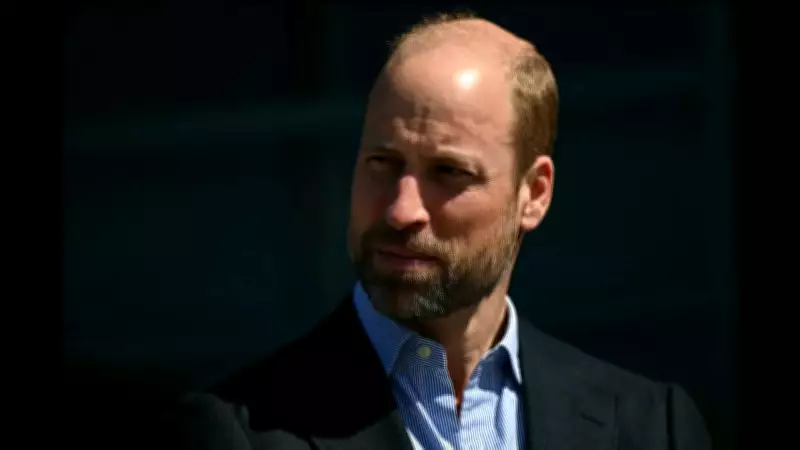
Prince William is set to sell 20% of the Duchy of Cornwall's vast property portfolio over the next decade, raising an estimated £500 million that will go towards affordable housing, rural jobs, and environmental restoration across England.
Details of the Plan
The duchy, which covers 128,000 acres across 19 counties and generates more than £20 million a year in private income for the Prince of Wales, will focus its reinvestment on five key areas: Bath, Cornwall, Dartmoor, the Isles of Scilly, and Kennington in south London. The BBC first reported the broad outlines of the plan, with The Times breaking the initial story.
William said the duchy wants to go beyond the role of a traditional landowner. "There is so much good we can do. I'm trying to make sure I'm prioritising stuff that's going to make people's lives, living in those areas, better," he said.

Housing and Employment Initiatives
The plans include 12,000 new homes by 2040, with roughly a third priced as affordable. Around £161 million has been earmarked for housing. A further £123 million will support workplaces and rural employment. The duchy also plans to expand rooftop solar panels across south-west England to generate enough power for 40,000 homes and will spend £20 million restoring peatlands and improving biodiversity.
Duchy chief executive Will Bax said the organisation should "exist to make a positive impact, particularly in the communities where we can make the biggest difference."
Mixed Reactions
Not everyone is convinced the move signals a genuine shift. Former Home Office minister Norman Baker said the duchy would remain a "royal fruit machine" where William "pulls the handle and gets a jackpot every time." Baker added that more housing simply means more tenants and more income for the estate.
The announcement comes as pressure mounts on the Royal Family to be more transparent about its finances. The Sovereign Grant, currently at a record £138 million per year, is expected to be reduced. Royal biographer Andrew Lownie welcomed the duchy's move as a first step towards greater openness.