

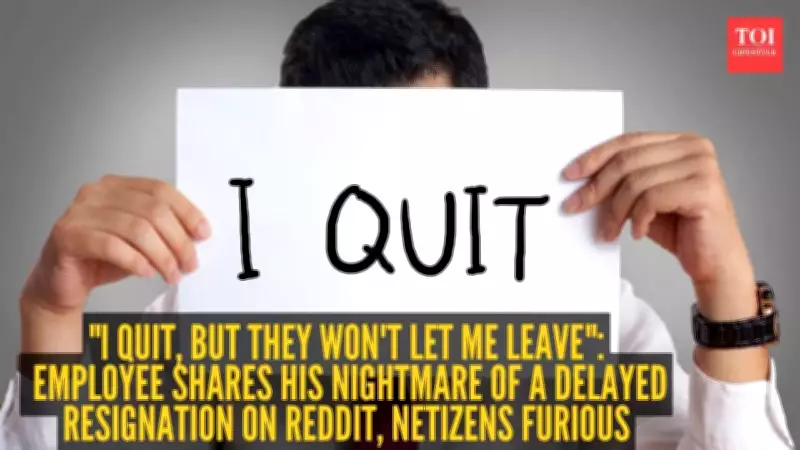
Resignation Trapped: The Corporate Tactic of Ignoring Employee Quits
We have all experienced that pivotal moment when you finally gather the courage to press "send" on your resignation email. You anticipate a wave of relief, perhaps some nervousness about the future, but mostly, you expect a clean and definitive break from your current role. However, what occurs when your employer chooses to simply pretend it never happened? A recent Reddit thread has ignited widespread outrage online over a worker who finds himself effectively "resignation-trapped." This astonishing narrative highlights the extreme audacity of some corporate practices, and it is a scenario that resonates deeply with many individuals globally.
The Bait-and-Switch Strategy
The story begins with a classic corporate bait-and-switch maneuver. The Redditor's company downsized the team, citing that "work was slowing down" and a need to streamline operations. Contrary to expectations, the workload did not decrease; instead, it intensified dramatically. The protagonist found himself overwhelmed by grueling 12-hour shifts, inadequate compensation, and a micromanagement approach that threatened his mental well-being.
By March 23, he reached his breaking point and submitted his resignation, explicitly stating the "unbearable workload" as his reason for departure. In a typical professional environment, human resources would acknowledge this notification and initiate the exit process. Yet, in this toxic corporate culture, HR responded with vague and evasive replies. They claimed that their "internal system" required his manager to activate a button to start the resignation procedure.

The core issue? His manager was actively avoiding addressing the situation, leaving the employee in limbo.
The Gaslighting Phase Intensifies
As April commenced, the situation escalated from frustrating to outright toxic. The manager finally communicated via email, but instead of providing a transition plan, he engaged in gaslighting. He asserted that the workload "wasn't that bad" and attempted to convince the employee that his exhaustion was merely a perception issue.
In response, the worker presented concrete evidence—detailed logs, screenshots, and documentation of the extensive 12-hour workdays. Despite this, the manager offered a lukewarm acknowledgment but still refused to update the HR system officially. Meanwhile, the workload not only persisted but increased, trapping the employee in a professional purgatory. He continued performing duties for a job he had already quit, while the company effectively held his official exit documents hostage.
Reclaiming Your Professional Power
When the worker sought advice online, the internet responded with a resounding message of empowerment. Reddit users emphasized a crucial principle in the professional world: A resignation is a notification, not a request for permission. Regardless of location—whether in India, as in this case, or elsewhere—legal frameworks generally do not require employer acceptance for a resignation to be valid. Once the email is sent, the notice period begins automatically.
Here is a comprehensive playbook recommended by online communities for anyone facing similar circumstances:

- It’s a Statement, Not a Negotiation: Send a follow-up email using firm language, such as, "As per my email on March 23, my last working day will be [Date]." This reinforces that the resignation is effective without requiring approval.
- Calculate Your Own Exit: Adhere strictly to the company policy outlined in your employment contract. Do not allow technical delays or system issues to extend your tenure in a toxic environment.
- The Digital Paper Trail is Your Best Friend: Meticulously save all emails, screenshots of work logs, and HR communications. This evidence can protect you if the company falsely claims you abandoned your position.
- Lower the Gear: During the notice period, shift focus to handing over responsibilities rather than undertaking new projects. Prioritize creating transition notes and facilitating a smooth exit.
- The Final Escalation: If the manager continues to ignore the process, escalate the matter to senior HR personnel. Clearly state that your notice period is already in progress and demand formal acknowledgment.
The Uncomfortable Reality of Toxic Retention
This incident sheds light on the disturbing trend of "toxic retention" within corporate environments. In an era marked by labor shortages, some organizations resort to manipulative tactics to prevent employees from leaving. However, it is essential to recognize that your well-being and career autonomy outweigh any staffing challenges the company may face.
If you are planning to exit a job that drains your energy, maintain thorough records, understand your legal rights, and resist any attempts to make you feel trapped by bureaucratic obstacles. You ultimately hold the power to secure your own departure and move forward to better opportunities.





