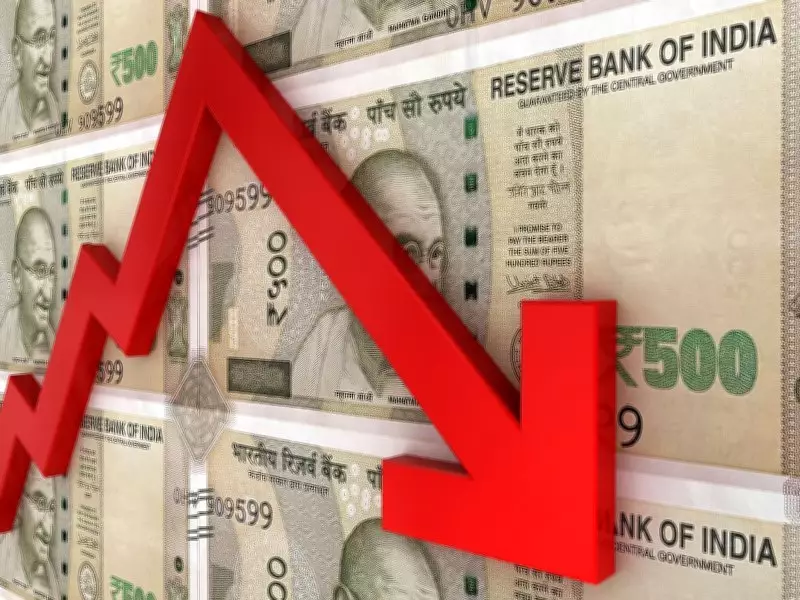
The Indian rupee plunged to a record low of 96.90 against the US dollar in early trade on Tuesday, surpassing its previous all-time low. The currency opened weaker at 96.80 and further declined to 96.90, marking a significant depreciation.
Factors Behind the Decline
The rupee's fall is attributed to sustained dollar demand from importers and foreign portfolio outflows. Additionally, a strong US dollar index and rising crude oil prices added pressure on the domestic currency. Traders also cited concerns over global economic slowdown and geopolitical tensions.
Market Reaction
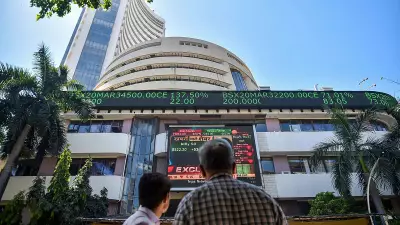
The domestic equity markets opened lower, with the BSE Sensex and NSE Nifty declining over 0.5% each. The Reserve Bank of India (RBI) is closely monitoring the situation, but no intervention was reported in early trade. The rupee has been under pressure for weeks, with the currency losing over 10% against the dollar this year.

Impact on Economy
A weaker rupee increases import costs, particularly for oil and other commodities, which could fuel inflation. Exporters, however, may benefit from higher repatriation earnings. Analysts expect the rupee to remain volatile in the near term, with the RBI likely to step in if sharp movements persist.
Outlook
Market participants are awaiting cues from the US Federal Reserve's policy meeting and domestic macroeconomic data. The rupee's trajectory will depend on global dollar strength, capital flows, and RBI's monetary policy stance.