In an era where digital notifications are constant and the pace of life is relentless, a new form of stress has emerged: micro anxiety. This term describes the subtle, low-level anxiety that accumulates from everyday digital interactions and modern life pressures. Unlike full-blown anxiety disorders, micro anxiety is often unnoticed but can significantly impact mental well-being over time.
What is Micro Anxiety?
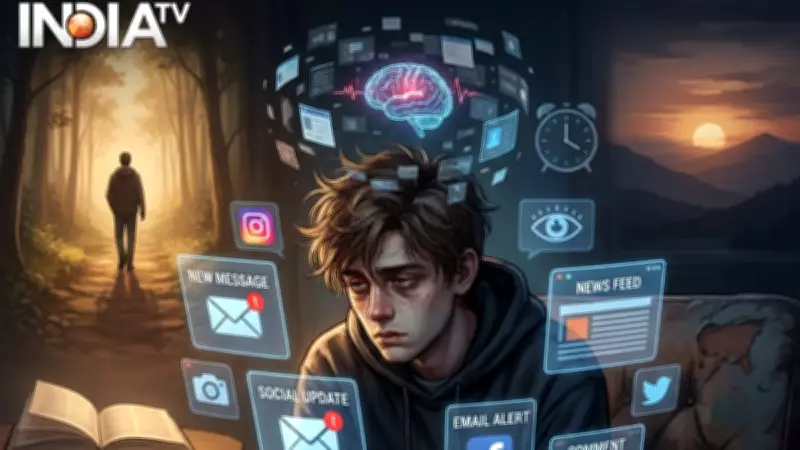
Micro anxiety refers to the small, fleeting moments of worry or unease triggered by everyday events, such as a notification ping, an unanswered email, or the pressure to stay updated on social media. These moments are brief but frequent, creating a constant background hum of stress. Psychologists note that this phenomenon is becoming increasingly common due to the always-on nature of digital life.
Signs and Symptoms
- Constant checking: Feeling the need to frequently check your phone or email for updates.
- Restlessness: Difficulty relaxing or feeling on edge even when not actively engaged in tasks.
- Fatigue: Persistent tiredness despite adequate sleep, due to mental overload.
- Irritability: Becoming easily annoyed by minor interruptions or delays.
- Difficulty concentrating: Struggling to focus on a single task without distraction.
Impact on Daily Life
While each instance of micro anxiety is small, their cumulative effect can be significant. Over time, this constant low-level stress can lead to burnout, reduced productivity, and even contribute to more serious mental health issues like generalized anxiety disorder. It also affects physical health, with symptoms such as headaches, muscle tension, and sleep disturbances.

Managing Micro Anxiety
Experts suggest several strategies to combat micro anxiety. First, set boundaries with technology: designate tech-free times and turn off non-essential notifications. Second, practice mindfulness to stay present and reduce the impact of digital triggers. Third, prioritize self-care activities like exercise, hobbies, and quality sleep. Finally, consider a digital detox periodically to reset your stress levels.
The Role of Modern Life
Beyond digital devices, modern life itself contributes to micro anxiety. The pressure to multitask, the fear of missing out (FOMO), and the constant comparison on social media all fuel this subtle stress. Recognizing these factors is the first step toward mitigating their effects. By being intentional about how we engage with technology and our daily routines, we can reduce the buildup of micro anxiety and improve overall well-being.