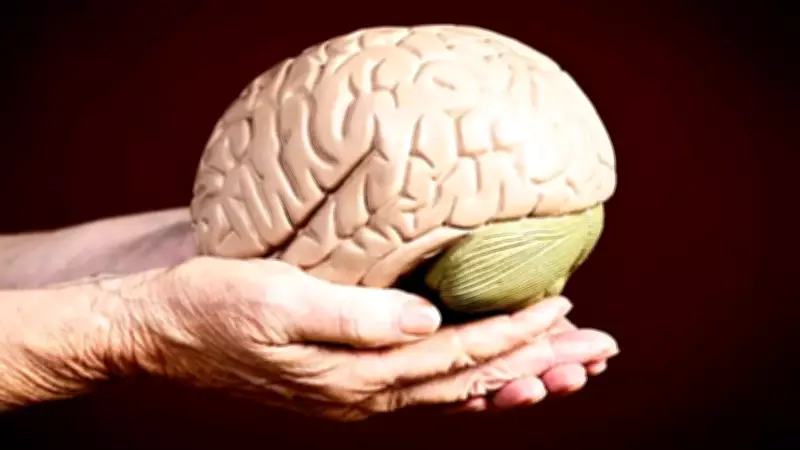
A new University College London study has reignited global interest in how simple hobbies can protect the brain from aging. Tracking more than 3,500 adults, researchers found that those who regularly engaged in arts and cultural activities aged more slowly at the cellular level. Weekly participation slowed biological aging by nearly 4%, according to their paper in Innovation in Aging.
This adds to a growing body of evidence: hobbies that challenge the mind help preserve memory, maintain cognitive flexibility, lower stress, and strengthen neural connections. The key is not talent or output, but consistent engagement with curious and emotionally fulfilling activities. Here are eight surprisingly simple hobbies that scientists believe can help keep your brain younger.
1. Painting, Sketching, and Arts & Crafts
Creative hobbies top the list when it comes to defending against cognitive decline. Painting, pottery, embroidery, knitting, calligraphy, and sketching all force the brain to blend imagination, movement, concentration, and emotion simultaneously. Studies on cognitive reserve—the brain's ability to resist aging and disease—show that arts and crafts build resilience. Talent is irrelevant; the benefits come from creating, experimenting, and learning. Even beginners gain a boost because novelty fires up brain plasticity, helping forge new neural connections.

2. Museum and Gallery Visits
It is not just creating art, but also viewing it that helps keep the brain sharp. A long-term study in Scientific Reports followed older adults for ten years and found that regular museum visits were linked to slower cognitive decline. Scientists say these spaces stimulate multiple brain areas: visual sense, memory, emotion, curiosity, and social skills. Museums demand active attention—focused observation that keeps the mind alert. Wandering through a museum is essentially a workout for your imagination.
3. Playing Music or Learning an Instrument
Music practice is like a full-body workout for the brain. Reading notes, producing sounds, maintaining rhythm, and listening to music all require intense coordination. Studies show that lifelong music practice improves memory, processing speed, and verbal skills as people age. The real benefit comes from learning new things, not just repeating old routines. Fresh challenges awaken neural circuits. You do not need to be a prodigy; piano lessons, guitar jams, and singing groups all count.
4. Reading Fiction
Reading is one of the easiest ways to keep your mind active. Fiction forces the brain to imagine scenes, interpret emotions, anticipate outcomes, and remember complex narratives. Neuroscientists call it a full brain workout because it sparks language, sensory, emotional, and creative regions simultaneously. Reading also lowers stress, which is critical since chronic stress and inflammation accelerate brain aging. The format does not matter—books, e-books, audiobooks, or long essays—just stick with the ritual of reading.
5. Playing Board Games, Chess, and Puzzles
The image of older adults huddled around a chessboard has scientific backing. A 68-year study found that people who regularly played strategy games experienced slower cognitive decline. Games build memory, problem-solving skills, reaction time, pattern recognition, and decision-making abilities. Social games add conversation and competition, firing up both emotion and cognition. Challenging games are most beneficial; the brain thrives on problem-solving, not mindless repetition.
6. Dancing
Dancing is unique because it trains both mind and body simultaneously. Learning moves, syncing to music, balancing, and reacting to partners activate multiple mental systems. Studies link dance to better coordination, memory, and mood. Unlike repetitive workouts, dancing keeps patterns and timing fresh, which may boost mental flexibility—the ability to adapt to new information. Social dancing also combats loneliness, a major risk factor for cognitive decline.

7. Learning a New Language
Picking up another language is like gym class for the brain. It strengthens memory, attention, listening skills, and mental agility. Studies indicate that multilingual people experience dementia symptoms later than monolingual individuals, as their brains become super-efficient at switching gears and processing information. Apps, classes, and casual practice all help. The real advantage comes from persistence and making your brain work over time.
8. Gardening
Gardening may seem simple physically, but it is complex neurologically, blending memory, planning, sensory input, movement, and relaxation. Regular gardeners tend to have lower stress hormones, better moods, and sharper attention spans. The physical activity improves blood flow to the brain. Experts believe that hobbies mixing movement with satisfaction offer especially strong protection against decline. Gardening's slow pace is special: in a world of speed and distraction, tending plants encourages patience and steady focus, which aging brains truly need.