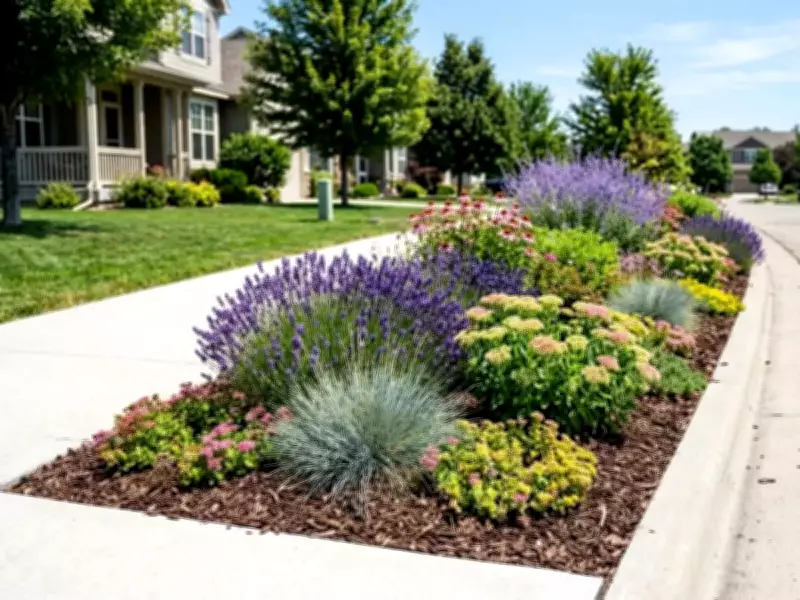
The small area near the sidewalk might be one of the most challenging spaces for gardening. Known as hellstrips, these areas between streets and sidewalks reflect high temperatures, dry out quickly, and usually feature compacted soil. However, a difficult gardening spot does not have to look untidy. By selecting drought-tolerant species and considering other factors, a street-side garden can remain neat through summer with minimal maintenance.
Key to Success in Hellstrip Gardening
According to gardening professionals, the key to success lies in choosing plants that can survive high temperatures, drought, and poor soil once established. Repeating a small number of plant types creates a more organized appearance. Researchers at Penn State University recommend selecting plants that thrive specifically under the harsh conditions typical of hellstrips rather than those suited for conventional flower beds.
Challenges of Gardening Hellstrips
Hellstrip gardeners face numerous difficulties from the start. High temperatures reflected from pavement, rapid water drainage, and roots growing in compacted, moisture-deficient soil make hellstrip gardening challenging. The visibility of hellstrips adds to the difficulty, as poorly growing plants become instantly noticeable. Penn State Extension states that plants in these locations must withstand heat, drought, salinity, and occasional foot traffic. Consequently, gardeners increasingly prefer tough perennial plants, ornamental grasses, and Mediterranean-type plants that survive stressful conditions without excessive water.

Lavender: Drought-Tolerant Color
Lavender is among the most dependable plants for sunny curb-side beds. Its heat-reflective silver-green foliage and ability to survive droughts with minimal irrigation once mature make it ideal. Lavender adds aroma and summer hues to the garden. It requires full sunlight and well-draining soil; too much water can harm its roots, especially in compacted soil. Using lavender repeatedly in small groupings creates rhythm and prevents overcrowding in narrow beds. These tough plants can endure the hottest strip in your yard.
Daylilies: Heat-Tolerant and Resilient
Daylilies remain popular because they grow in harsh conditions and recover quickly from summer stress. According to the University of Minnesota Extension, daylilies are adaptable, require full sunlight, and survive drought after maturing. Their arching leaves create a soft effect against hard surfaces like sidewalks and driveways. Limiting the selection to one or two colors keeps the planting neat.
Blue Fescue: Compact Structure
Blue fescue is ideal for planting strips as it maintains its form and provides year-round interest. The grass grows in neat tufts forming blue-green mounds that withstand direct sunlight and drought. According to the RHS, Festuca species thrive in bright sunlight and sharply drained sites. Its distinct appearance from flowering perennials creates an attractive contrast.
Yarrow: Loves Hot, Infertile Soil
Yarrow serves well for gardens with full sun and little soil. It flowers in shades of yellow, white, pink, and red while surviving on poor soil and drought. The fern-like foliage adds a soft texture. Garden designers often plant yarrow for its profusion of blooms in harsh conditions.
Sedum: Water-Storing Leaves
Various sedum species have leaves that store water. Low-growing types cover bare soil, while tall varieties provide late-season flowers for pollinators. Sedum maintains its structure during heat waves when other plants wilt.
Russian Sage: Tolerates Reflected Heat
Russian sage is perfect for locations with reflected heat from sidewalks and driveways. It withstands scorching sun for long periods, producing long-lasting blooms. Its purplish blossoms and silvery leaves remain attractive even when flowers do not fully open. It pairs well with grasses and lavenders in drought-tolerant beds.

Simple, Repeated Design
According to experts, a common mistake in narrow strips is introducing too many unrelated plant species. By repeating a few hardy plants, creating strong edges, using light mulch, and spacing properly, you achieve an aesthetic look. Success does not require many varieties or regular watering. A few hardy plants arranged pleasingly can transform a difficult yard area into one of its best features.
About the Author: The TOI Lifestyle Desk is a dynamic team of dedicated journalists who curate lifestyle news for The Times of India readers, covering fashion, travel, culinary delights, and wellness tips.