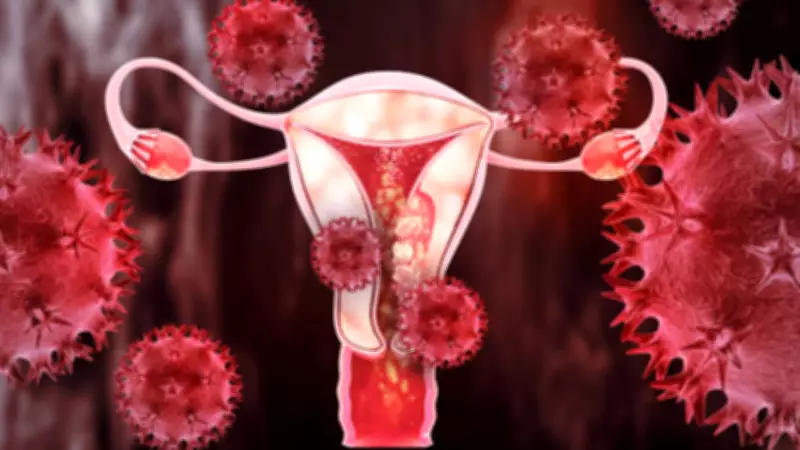
Every year, more than 350,000 women die from cervical cancer globally. Unlike some cancers that creep up unpredictably, cervical cancer is one of the few malignancies where the cause is known and preventive tools exist. The problem is not that medicine lacks answers, but that these answers are not reaching everyone who needs them.
The Urgent Situation in India
In India, the numbers paint a particularly urgent picture. The Indian Council of Medical Research (ICMR) estimates nearly 1.2 lakh new cases are diagnosed each year, making cervical cancer the second most common cancer among Indian women. Dr. Neha Kumar, Senior Consultant in Gynecologic Oncology at Amrita Hospital Faridabad, sees this reality up close in her practice. According to her, the tragedy of these numbers is that most of them do not have to exist.
The HPV Story Changed Everything
The turning point in cervical cancer prevention came when researchers identified human papillomavirus (HPV) as the culprit behind almost all cases of the disease. HPV causes nearly 95% of cervical cancer cases globally. That discovery transformed cervical cancer from a mystery into a preventable condition, but only if people get vaccinated and screened. The HPV vaccine is where prevention really starts. Studies show that girls who received HPV vaccination at ages 12 to 13 had an 87% reduction in the incidence of cervical cancer, according to research published in cervical cancer surveillance databases. However, Dr. Kumar emphasizes that the window for vaccination is important. For women vaccinated at older ages (16 to 18 years), the reduction in cervical cancer incidence drops to 34%.

The virus spreads through sexual contact, so vaccination before exposure is far more effective. Still, she notes that many adults may benefit from vaccination after medical consultation. It is not a complete dead end for older women, just less protective.
Screening Is Not Optional
Even vaccinated women need screening. This is where many cases slip through. Early cervical cancer often develops silently, with no symptoms to alert a woman that something is wrong. Pap smear tests and HPV testing can detect abnormal cell changes years before they become cancer. Yet fear, stigma, embarrassment, or simply feeling healthy keeps women away from these tests. The consequence of skipping screening is that cancers get diagnosed late, when they are already advanced and treatment becomes exponentially harder. That is not a failure of medicine but a failure of prevention.
Smoking: The Co-Conspirator Nobody Talks About
Smoking deserves more attention in the cervical cancer conversation than it usually gets. It is not that smoking alone causes cervical cancer; HPV is the necessary culprit. But smoking acts as an accomplice. Research shows that smoking promotes early cervical carcinogenic events by increasing the duration of oncogenic HPV infections and decreasing the probability of clearing those infections. A pooled analysis of 23 case-control and longitudinal studies involving 13,000 cases and 23,000 controls found that current cigarette smokers have a significantly increased risk of cervical cancer compared with women who had never smoked, with risk increasing based on the number of cigarettes smoked daily.
The Everyday Prevention Tools
Beyond vaccination and screening, Dr. Kumar points to daily health decisions that matter more than women realize. Keeping good intimate hygiene, practicing safe sexual health, limiting multiple sexual partners, and getting early treatment for recurrent infections all reduce long-term cervical cancer risk. These are not complicated interventions but basic preventive care. Diet and immunity also play roles. Foods high in antioxidants, green leafy vegetables, and foods rich in folate support immune function. Getting adequate sleep matters too, because a healthy immune system can often clear HPV infections on its own. The body just needs the tools to do the job.
There is one more thing Dr. Kumar wants women to know: do not dismiss unusual symptoms as normal. Irregular bleeding, bleeding after intercourse, unusual vaginal discharge, or persistent pelvic pain should not be written off as hormonal issues. These need evaluation.

The Real Prevention Story
Cervical cancer prevention is not built on one dramatic intervention. It is built on awareness, vaccination when appropriate, regular screening, not smoking, and small health decisions made consistently over time. The virus is preventable. The cancer is preventable. What remains preventable too is the silence that keeps women from taking those steps.