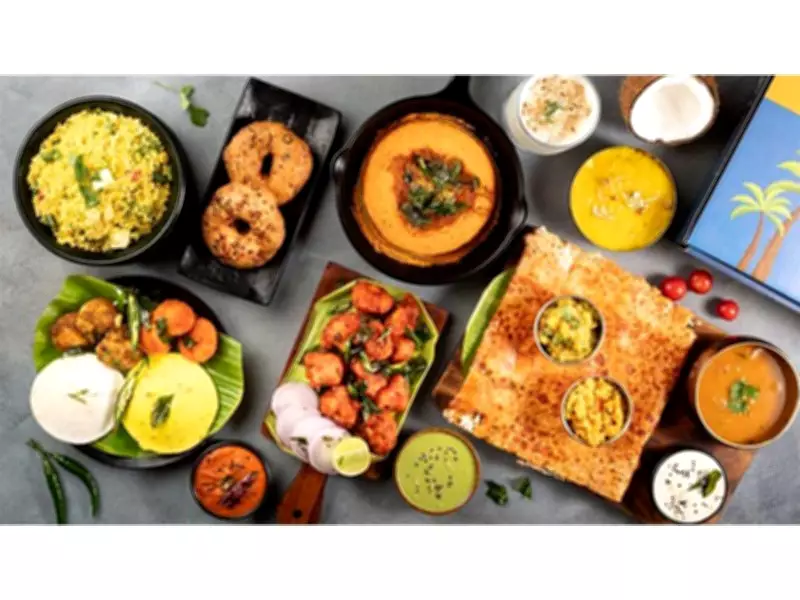
Sambar Ritual, a fine dining restaurant in Gurugram, has become the city's top-rated South Indian destination within just 18 months of operation, reflecting a broader surge in demand for authentic regional cuisine across North and West India. The Indian food service market is projected to cross ₹7.76 lakh crore by 2028, growing at nearly 9% CAGR, with South Indian restaurants in metros like Delhi, Mumbai, and Pune reporting revenue growth of 15 to 20 percent year-on-year, well above the segment average, according to industry reports.
Ancient Culinary Heritage Drives Modern Appeal
South Indian culinary traditions date back over 2,000 years, with references in ancient Tamil Sangam literature from as early as 300 BCE describing feasts of rice, lentils, tamarind, pepper, and coconut. The cuisine spans five distinct regional identities—Tamil Nadu, Kerala, Karnataka, Andhra Pradesh, and Telangana—each shaped by unique geography and trade routes. A shared philosophy rooted in Ayurveda and seasonal eating has made South Indian kitchens pioneers of gut-healthy fermentation and anti-inflammatory ingredients like turmeric long before modern superfood trends.
Sambar Ritual embraces this living philosophy, bringing ancient culinary wisdom into a contemporary fine dining context. The restaurant's menu travels the full geography of South India, from the royal kitchens of Mysore to the spice routes of the Malabar Coast, the rice paddies of the Kaveri delta, and the fishing villages of the Coromandel Coast.

Rising Demand and Market Gap
A 2023 National Restaurant Association of India report placed South Indian cuisine among the top three most searched food categories on major delivery platforms in Delhi, Mumbai, and Pune. Zomato and Swiggy data revealed that searches for "South Indian fine dining" in North Indian metros grew by over 40 percent between 2021 and 2023. Despite this appetite, fewer than three percent of fine dining restaurants in Delhi-NCR specialize in South Indian cuisine. A 2024 Technopak Advisors survey found that over 68 percent of premium diners in Delhi and Mumbai wanted a dedicated South Indian fine dining experience, yet fewer than 15 percent had access to one they considered truly excellent.
Sambar Ritual identified this gap and entered boldly, becoming the answer discerning diners in Gurugram point to when asked where South Indian cuisine can be experienced at its finest. The restaurant's consistent top ratings on platforms like Zomato and Swiggy reflect surging demand meeting an experience that delivers.
Visionary Founders and Authentic Execution
Sambar Ritual was founded by Munish Ohri, Shikhar Kohli, Saurabh Mandhwani, and Bhavna Mehra—four entrepreneurs whose collective experience across luxury retail, consumer brands, and finance gave the venture cultural depth and business rigor. According to the founders, the restaurant was never a business plan but a dream they had carried for years: to open a dine-in restaurant where guests could experience authentic South Indian food in its truest form, surrounded by traditional vibe, emotion, and feeling. They aimed to create a place where aromas, music, decor, and warmth transport every guest straight to the heart of South India.
To bring that vision to life, the founders combined operational expertise, creative vision, and commercial discipline. Every dish at Sambar Ritual is a conversation between tradition and craft, prepared with ingredients sourced with intention and techniques that honor generations of culinary knowledge.
Future Trajectory and Cultural Impact
As culinary curiosity deepens and pride in India's food heritage grows, South Indian cuisine is poised for sustained growth, especially at the premium end. Sambar Ritual is not simply riding this wave—it is helping create it. By proving that South Indian food commands the same reverence as any of the world's great culinary traditions, the restaurant has given a 2,000-year-old cuisine the contemporary home it always deserved. In just a year and a half, it has become Gurugram's most celebrated South Indian dining destination.
This article is based on a press release from VMPL. The content is sourced from a syndicated feed and published as received.