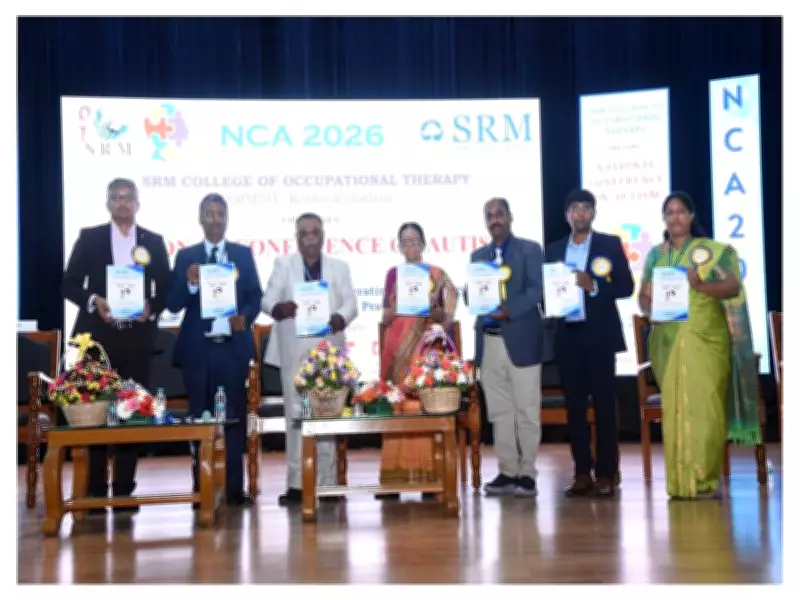
The SRM Autism Conference 2026 has issued a call for integrating advanced technology with human-centred care approaches to enhance the quality of life for individuals with autism spectrum disorder. The conference, held at SRM Institute of Science and Technology, brought together experts, researchers, and caregivers to discuss innovative strategies and collaborative efforts.
Key Themes and Discussions
The conference focused on the potential of artificial intelligence, virtual reality, and assistive technologies to create personalized interventions. Speakers emphasized that while technology offers powerful tools, the core of autism care must remain empathetic and individualized. Sessions highlighted successful case studies where tech-enabled therapies improved communication and social skills.
Expert Opinions
Dr. Ananya Sharma, a leading neurologist, stated: "Technology can bridge gaps in traditional therapy, but it must be tailored to each person's unique needs. Human connection remains irreplaceable." Other experts discussed ethical considerations, data privacy, and the importance of involving families in care plans.

Workshops and Demonstrations
Attendees participated in hands-on workshops showcasing wearable devices, communication apps, and AI-driven diagnostic tools. A demonstration of a virtual reality social skills trainer received positive feedback for its engaging and safe learning environment.
Future Directions
The conference concluded with a roadmap for future research and policy advocacy. Organizers announced plans for a follow-up symposium in 2027 to track progress. The goal is to establish a global network of tech-enabled autism care centres.
This event marks a significant step towards blending innovation with compassion in autism care, ensuring that technological advancements serve to empower rather than isolate.