Starbucks CEO Brian Niccol's Transformative First Year and Future Vision
When Brian Niccol took the helm at Starbucks, he immediately set his sights on revitalizing the iconic coffee chain's customer experience. His first full calendar year as CEO saw millions of dollars invested in comprehensive barista training programs, store upgrades, and operational improvements aimed at making every Starbucks visit more memorable and efficient.
The Foundation: Barista Training and Store Enhancements
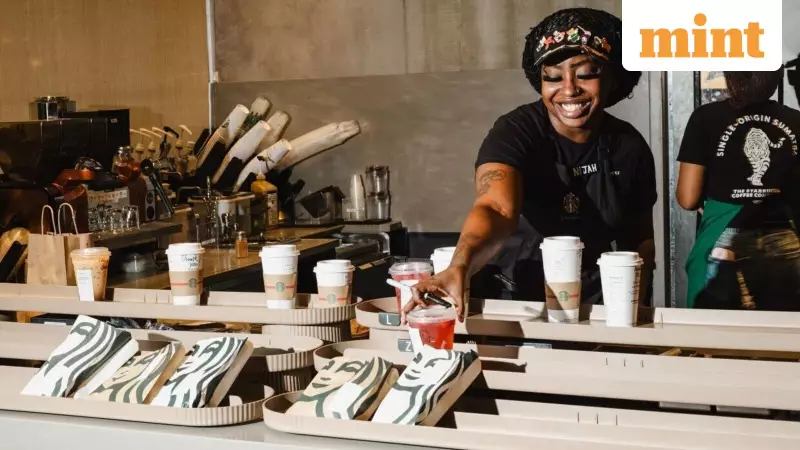
Niccol's initial focus centered on empowering baristas as the frontline ambassadors of the Starbucks brand. He implemented rigorous training protocols emphasizing personalized customer interactions, meaningful engagement, and consistent service quality. Beyond human resources, physical store improvements became a priority. The company outfitted locations with ceramic mugs, replaced faulty power outlets, and returned condiment bars to public access while restricting restroom use to paying customers.
"The experience feels warmer, more welcoming," a Starbucks spokeswoman noted, highlighting how these changes have begun transforming the atmosphere in stores nationwide.

Strategic Store Adjustments and Labor Challenges
As part of his restructuring, Niccol closed hundreds of underperforming U.S. locations, reducing the chain's footprint by approximately 400 stores since last summer. However, he has pledged to resume expansion with a new, smaller cafe design that's more cost-effective to build and operate.
This transformation hasn't been without challenges. The Starbucks Workers United union, representing several hundred U.S. cafes, has organized periodic strikes since November, leading to temporary closures and limited hours at affected locations. While strike activity has slowed recently, labor negotiations continue as both sides seek fair agreements addressing worker concerns about pay, hours, and working conditions.
Next Phase: Comfort, Convenience, and Connection
With the foundation laid, Niccol is now pushing forward with more ambitious initiatives. His current priorities include:
- Installing more comfortable seating at hundreds of U.S. locations
- Streamlining the drink pickup process for greater convenience
- Improving food inventory management to prevent shortages
- Enhancing the personal touch through meaningful messages on cups
Niccol envisions Starbucks becoming more like Central Perk from "Friends" – a welcoming third place between home and work. "I do firmly believe that even if you want to come and grab and go, you'd rather grab and go from a place than a soulless experience," he explained during a Wall Street Journal CEO Council interview.
Operational Excellence and Customer Feedback
Service speed has become a critical metric under Niccol's leadership, with Starbucks aiming to fill both in-store and drive-through orders within four minutes. The company has implemented new technology to optimize order sequencing and is testing scheduled pickup options to reduce wait times.
Customer feedback mechanisms have also been strengthened. Starbucks now uses sophisticated technology to analyze Yelp and Google reviews alongside direct customer surveys, while implementing a new grading system that holds local store managers accountable for their locations' performance.
Financial Context and Future Outlook
These changes come at a crucial time for Starbucks. The chain has experienced stagnant sales and declining profitability in recent years, with core profit margins reaching some of their lowest post-pandemic levels. However, early signs suggest Niccol's strategy may be gaining traction – the company reported record sales days during November holiday promotions, and new products have helped attract customers.
Investors have responded cautiously optimistically, with Starbucks shares rising approximately 16% this month compared to a 4% increase for restaurant stocks in the S&P 500 subindex. Niccol is preparing to unveil his longer-term financial goals during his first investor meeting as CEO, where he'll need to demonstrate how his customer-centric approach will translate into sustainable growth.

Price Sensitivity and External Factors
Recognizing that cost remains a primary concern for many customers, Niccol avoided price increases during his first year. While future pricing decisions will depend on consumer response and market conditions, the removal of steep Trump administration tariffs on coffee imports could improve profit margins in 2026, providing more flexibility.
Maintaining Legacy Connections
Throughout this transformation, Niccol maintains regular contact with Howard Schultz, Starbucks' former three-time CEO and current chairman emeritus. The two speak monthly, with Niccol seeking counsel from Schultz's decades of experience leading the company. "These are healthy tensions," Niccol noted about their occasional disagreements, comparing their dynamic to that of spouses who don't always see eye-to-eye but maintain productive dialogue.
As Starbucks continues its evolution under Niccol's leadership, the coffee giant appears poised to blend its rich heritage with innovative approaches to customer service, store design, and operational efficiency. The coming months will reveal whether these substantial investments in the Starbucks experience can brew up the growth that investors and customers alike are waiting to see.