

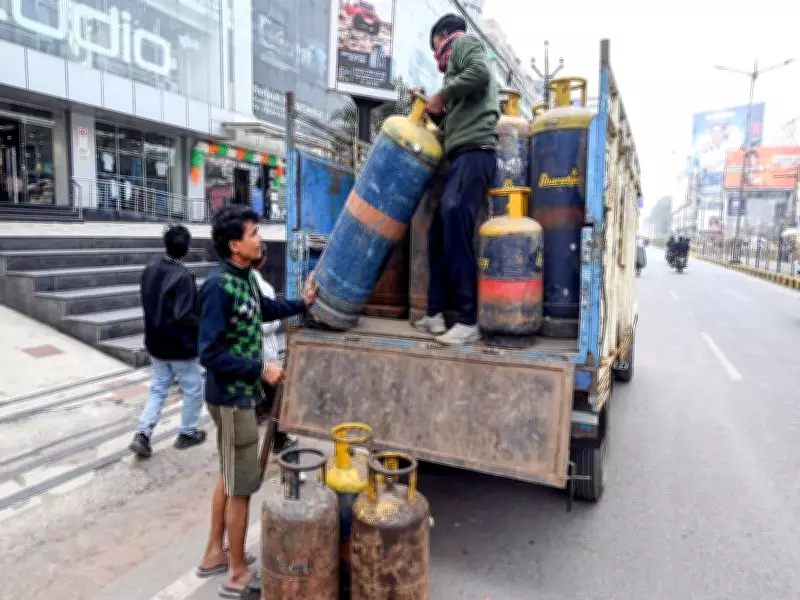
Petroleum Ministry Elevates States' Non-Domestic LPG Allocation to 70% of Pre-Crisis Quota
In a significant move to bolster industrial operations across India, the Ministry of Petroleum and Natural Gas has announced a substantial increase in the allocation of non-domestic LPG for states and union territories. Secretary Neeraj Mittal communicated this development through a letter addressed to all Chief Secretaries on Friday, March 27, 2026.
Enhanced Allocation Details and Reforms
The revised policy raises the total commercial LPG allocation to 70% of the pre-crisis level for packed non-domestic LPG. This marks a notable escalation from the previous allocations, where states were granted 40% of the pre-crisis quota on March 16, with an additional 10% contingent upon the implementation of specific reforms aimed at promoting Piped Natural Gas (PNG).
Secretary Mittal elaborated that, in addition to the existing 50% allocation, an extra 20% is now being proposed. This incremental allocation is designed to provide much-needed relief to industrial sectors that have been grappling with supply constraints.

Priority Sectors and Stipulations
The additional 20% allocation will be governed by stringent stipulations to ensure optimal utilization:
- Priority Industries: The allocation will favor labor-intensive sectors that are crucial to the economy, including steel, automobile, textile, dye, chemicals, and plastics. Within these categories, process industries or those requiring LPG for specialized heating purposes—where Natural Gas cannot serve as a substitute—will receive top priority.
- Compliance Requirements: Entities seeking to benefit from this additional allocation must adhere to the conditions outlined in the ministry's earlier communications. This includes registration with Oil Marketing Companies (OMCs) and applications for PNG to City Gas Distribution (CGD) entities. However, a waiver is granted for industries specified in the priority list where LPG is integral to processes that cannot be replaced by Natural Gas.
Secretary Mittal also urged states that have not yet availed of the 10% reform-based allocation to do so promptly, emphasizing that this combined effort will elevate the total allocation to commercial and industrial LPG to 70%, thereby facilitating operational ease across states.
Concurrent Measures to Mitigate Fuel Price Impact
In a parallel initiative to shield consumers from potential fuel price surges amid the ongoing West Asia crisis, the government implemented excise duty reductions on Friday. The duty on petrol has been slashed to Rs 3 per litre, while diesel now carries zero excise duty. Additionally, a windfall tax on diesel exports has been set at 21.5 rupees per litre.
These adjustments come against the backdrop of a global energy crisis triggered by the US-Israel conflict with Iran and the subsequent blockade of the Strait of Hormuz by Tehran. This strategic chokepoint facilitates the transit of approximately 20-25 million barrels of crude oil and gas daily, accounting for a fifth of the world's supply. Prior to the conflict, India sourced 12-15% of its oil from this region, underscoring the critical nature of these governmental interventions.
The combined actions on LPG allocation and fuel taxation reflect a comprehensive strategy to stabilize industrial output and consumer affordability during a period of international volatility.






