Tesla Discontinues Model S and X Production, Pivots to Humanoid Robots
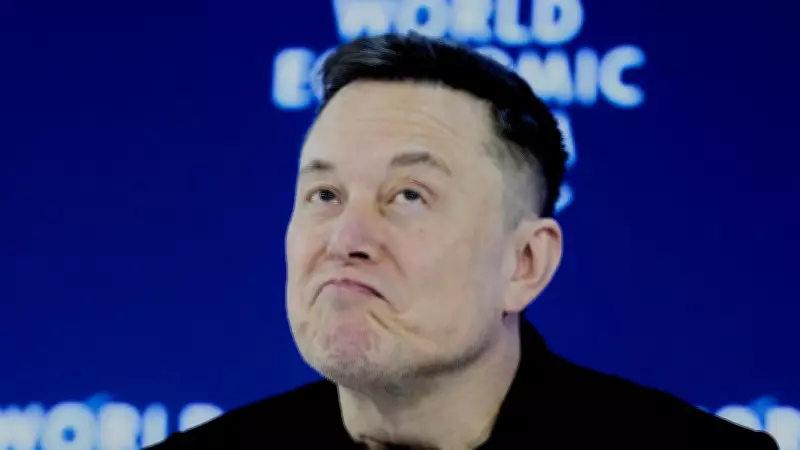
In a significant strategic shift, Tesla CEO Elon Musk has announced the electric vehicle manufacturer will cease production of its Model S and Model X vehicles. The announcement came during Tesla's fourth-quarter earnings call on January 28, 2026, where Musk described the decision as giving the vehicles an "honorable discharge" from the company's lineup.
End of an Era for Tesla's Flagship Models
Elon Musk urged potential buyers interested in these vehicles to place orders immediately before remaining stocks are depleted. "It's time to basically bring the Model S and X programs to an end with an honorable discharge. If you're interested in buying a Model S and X, now would be the time to order it," Musk stated during the earnings presentation.
The Model S, first introduced in 2012, and the Model X, launched in 2015, represent Tesla's oldest current production vehicles alongside the original Roadster. These premium models have carried base price tags of approximately $95,000 and $100,000 respectively, positioning them as luxury offerings within Tesla's portfolio.

Production Shift to Humanoid Robotics
The Fremont factory in California, which currently manufactures these vehicles, will undergo a complete transformation. Tesla plans to repurpose the production lines to focus on manufacturing the company's Optimus humanoid robots instead. Musk revealed ambitious plans for this transition, stating Tesla aims to create a "1 million unit per year line" for Optimus production.
"We will use the factory in Fremont to build the company's humanoid robots Optimus instead," Musk explained. "Because it is a completely new supply chain, there's really nothing from the existing supply chain that exists in Optimus. We will boost headcount at the Fremont facility, and will significantly increase output."
Market Dynamics Behind the Decision
The decision to discontinue these models comes amid changing market dynamics for Tesla. While the company has reduced prices for Model S and X vehicles in recent years amid intensifying global EV competition, sales have increasingly concentrated on more affordable models.
- The Model 3 (base price $37,000) and Model Y (base price $40,000) together accounted for 97% of Tesla's 2025 deliveries
- This translated to approximately 1.59 million vehicles from these two models alone
- The premium Model S and X have struggled to compete with these more affordable options and rival offerings from global competitors
Financial Context: First Annual Revenue Decline
The production shift announcement coincides with Tesla reporting its first annual revenue decline on record. According to financial reports:
- 2025 revenue decreased approximately 3% to nearly $94.83 billion
- Fourth-quarter adjusted earnings per share reached 50 cents, surpassing Wall Street expectations of 45 cents
- Net income fell 61% to $840 million in the quarter
Despite these challenges, analysts project Tesla will deliver 1.77 million vehicles in 2026, representing an 8.2% increase from 2025 levels according to Visible Alpha data.
Future Focus: Robotics and Semiconductor Independence
Tesla's strategic pivot extends beyond just vehicle production changes. The company is increasingly focusing on areas with virtually no current business or profits: driverless cars and humanoid robots. Tesla plans to unveil the third-generation Optimus design "meant for mass production" in the current quarter, envisioning these robots serving roles in both homes and factories.
Additionally, Musk revealed plans for semiconductor independence, announcing Tesla intends to build and operate what he calls a "TeraFab" to manufacture its own chips. "In order to remove the probable constraint in three or four years, we are going to have to build a Tesla TeraFab. A very big fab that includes logic, memory and packaging, domestically," Musk stated.
This move addresses Tesla's growing need for chips as it bets its future on artificial intelligence, autonomous driving, and robotics. The company currently sources chips from Micron Technology Inc., Samsung Electronics Co., and Taiwan Semiconductor Manufacturing Co (TSMC).

"That's going to be very important to ensure we are protected against geopolitical risks. I think people maybe are underweighting some of the geopolitical risks that are going to be a major factor in a few years," Musk added regarding the semiconductor strategy.
This comprehensive strategic realignment represents one of Tesla's most significant shifts since becoming the world's most valuable automaker, marking a transition from traditional vehicle manufacturing toward advanced robotics and semiconductor production.