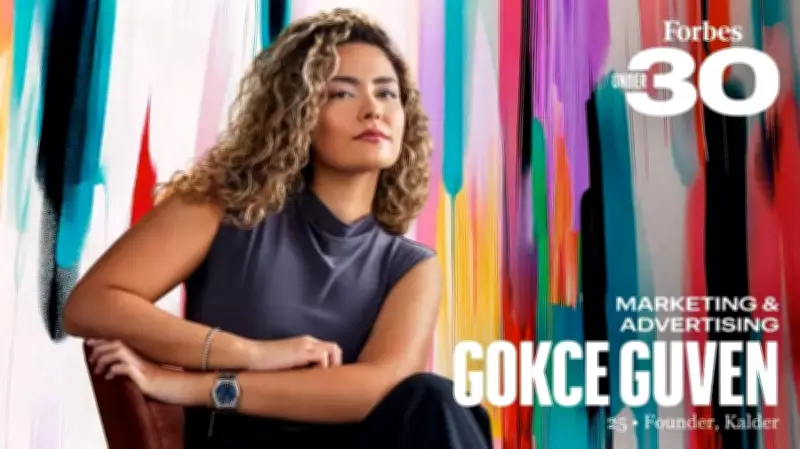
Turkish Tech Executive Faces Multiple Fraud Charges in New York Federal Court
A 26-year-old Turkish technology executive has been indicted on serious federal charges for allegedly orchestrating a sophisticated $7 million investment fraud scheme while simultaneously using fabricated documents to secure a coveted United States visa. Gokce Guven, the founder and CEO of New York-based fintech marketing company Kalder Inc., now faces accusations of securities fraud, wire fraud, visa fraud, and aggravated identity theft following a comprehensive investigation by multiple federal agencies.
The Elaborate Investment Deception
According to federal prosecutors in the Southern District of New York, Guven began soliciting seed funding for her technology startup Kalder Inc. in April 2024. The company positioned itself as a "fintech-marketing platform" that would enable brands to create and monetize customized loyalty and rewards programs. Prosecutors allege that Guven systematically misled venture capitalists through a carefully constructed web of falsehoods.
The fraudulent representations included:

- Falsely claiming Kalder had 26 brands actively using its platform
- Misrepresenting that 53 brands were utilizing free basic services
- Inflating the company's financial performance with fabricated revenue reports
- Maintaining two separate sets of financial records to conceal the truth
Prosecutors revealed that Guven transmitted a pitch deck to potential investors containing completely fabricated financial data. The documents falsely indicated that Kalder's recurring revenue had shown consistent monthly growth since February 2023, culminating in an alleged $1.2 million in annual recurring revenue by March 2024. In reality, many of the claimed brand partnerships were either limited pilot programs offered at heavily discounted rates or completely nonexistent arrangements.
The Parallel Visa Fraud Scheme
Following the expiration of her student visa, Guven allegedly employed the same deceptive tactics to secure an O-1A visa, which is specifically reserved for individuals demonstrating "extraordinary ability" in their field. Federal investigators discovered that Guven's visa application contained the identical misrepresentations she had provided to Kalder's investors.
More disturbingly, the investigation uncovered that:
- Guven digitally forged letters of support and reference purportedly signed by business executives
- She executed these forgeries without the knowledge or consent of the individuals involved
- The fraudulent application materials ultimately secured her an O-1A visa in fall 2025
Federal Authorities Respond to the Scandal
United States Attorney Jay Clayton emphasized the seriousness of the allegations, stating: "As alleged, Gokce Guven built her seed round on fake revenue, inflated brand partnerships, and fabricated documents, and then used the same lies to secure a visa reserved for extraordinary ability. Beware of fraud masquerading as entrepreneurship."
FBI Assistant Director in Charge James C. Barnacle, Jr. added: "Guven allegedly curated a façade of her business ingenuity to unlawfully reap financial and personal benefits. The FBI will continue to expose any manipulative tactics employed to advertise misleading investment opportunities at the cost of their related stakeholders."
Ketty Larco-Ward, Inspector in Charge of the New York Division of the U.S. Postal Inspection Service, highlighted the broader implications: "This indictment displays the lengths that individuals will go through to defraud investors and the American public, and how they are ultimately caught to pay for their crimes."
The Financial Impact and Investigation
The elaborate scheme allegedly enabled Guven to raise approximately $7 million from more than a dozen investors who believed they were funding a promising fintech startup with genuine partnerships and revenue streams. Instead, prosecutors claim the funds were obtained through systematic deception involving:

- Material misrepresentations about Kalder's financial condition
- False claims regarding brand partnerships and customer relationships
- Fabricated documents presented to both investors and immigration authorities
The case represents a significant example of cross-border financial fraud intersecting with immigration fraud, highlighting the vulnerabilities in both investment due diligence and visa verification processes. Federal authorities have indicated their commitment to pursuing similar cases where fraudulent activities span multiple regulatory domains.