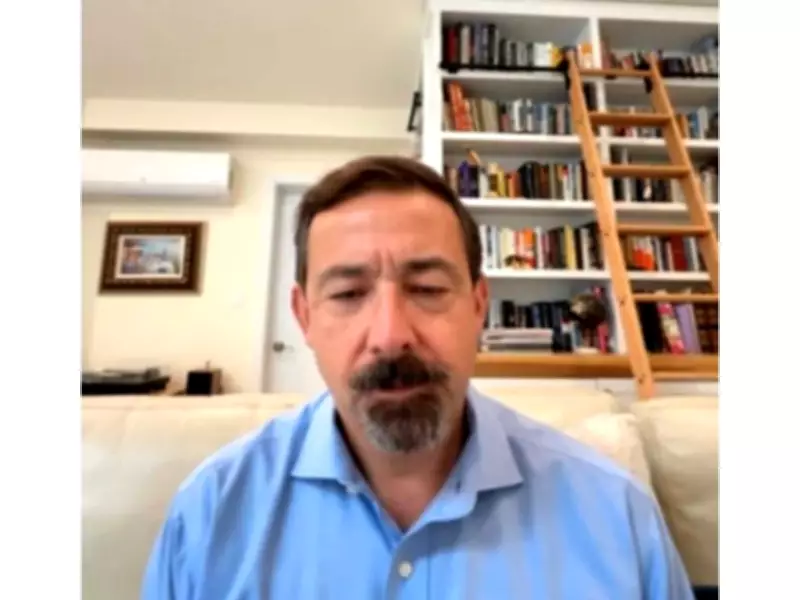
The US Department of Justice has defended its decision to seek the dismissal of the alleged bribery case against Indian billionaire Gautam Adani and others, prompting legal experts to weigh in. Seth DuCharme, a partner at Bracewell LLP and former US attorney, said the DoJ's reasoning is sufficient and raises questions about the quality of evidence that led to the indictment.
Prosecutorial Discretion Key to Case Outcome
DuCharme explained that the DoJ's letter highlights the fundamental principle of prosecutorial discretion vested in the Executive Branch, not the Judicial Branch. He noted that a court cannot compel a prosecutor to continue a case deemed no longer in the public interest. "If the Department doesn't want to prosecute the case, there will be no prosecution," DuCharme said, emphasizing that the ultimate decision rests with the DoJ.
DoJ Cites Evidentiary Weaknesses
In its reply to the US Court of the Eastern District of New York, the DoJ argued that the case was weak due to evidentiary problems. Most of the alleged evidence is based in India, making prosecution in the United States difficult. The DoJ's response provided far more detail than typical, according to DuCharme, who noted that while Judge Nicholas Garaufis may still review the letter, the law is clear that a court cannot force a prosecution to proceed.

Aggressive Prosecution vs. New Policies
DuCharme commented on the nature of the initial indictment, saying the Eastern District of New York's US Attorney's Office is known for being aggressive, often pursuing cases involving individuals outside the US. He noted that entrepreneurial prosecutors may bring ambitious cases aligned with the policies of the administration in power. However, a new DoJ under different leadership may adopt a more conservative interpretation of how statutes should be applied, as seen in this case.
Background of the Case
The case against Gautam Adani and others alleged a bribery scheme linked to solar power contracts in India, which also allegedly misled US investors. In May 2026, the US DoJ moved to dismiss these charges. The US Court of the Eastern District of New York then sought a reply from the DoJ, which has now been provided. Legal experts argue that the judge will likely support the DoJ's position, given the strong precedent for prosecutorial discretion.
DuCharme added that when an indictment is filed without expectation of the defendant appearing in court, the only way to defend one's rights is through dismissal. Here, the indictment was dismissed due to advocacy and the exercise of discretion.