

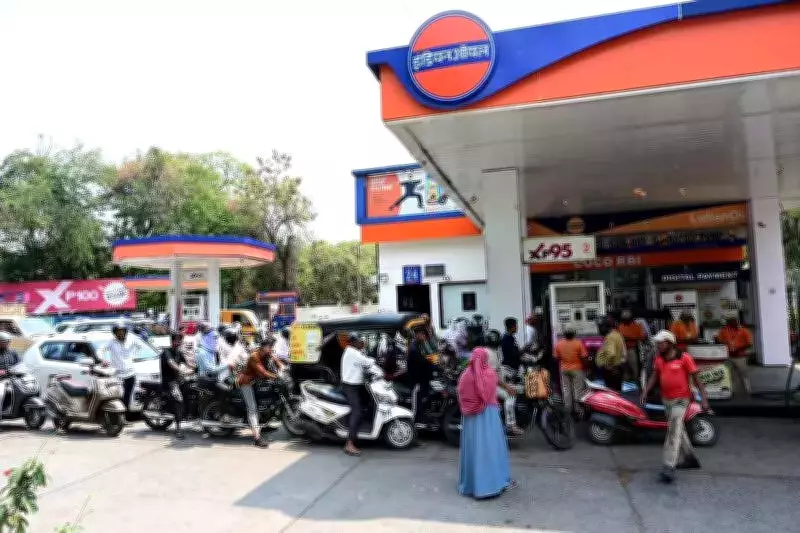
Vidarbha Fuel Panic Buying: Petrol Sales More Than Double Amid Global Tensions
The Vidarbha region of Maharashtra witnessed unprecedented fuel panic buying this week, with petrol consumption skyrocketing to more than double the normal daily quota. According to senior officials from public sector oil companies, what began as a ripple of concern quickly turned into a regional fuel rush that has strained distribution systems and left many pumps dry.
Unprecedented Fuel Consumption Surge
Normally, a single public sector oil company sells approximately 800 kilolitres of petrol daily across the Vidarbha region. However, on Tuesday, when panic buying first took hold, that figure jumped dramatically to nearly 2,200 kilolitres – representing a staggering 175% increase over normal consumption levels.
Diesel sales followed a similar alarming pattern, increasing by approximately one and a half times the typical daily volume. In Nagpur city specifically, sales of both fuels doubled on Tuesday and maintained that accelerated pace through Wednesday.

"The three oil PSU companies roughly enjoy a market share of 30% to 35% each," explained an official who requested anonymity. "On a normal day, not more than 1,800 kilolitres of diesel is sold by our company. On Tuesday, sales touched 3,000 kilolitres, and the trend continues."
Regional Impact and Supply Chain Strain
When considering the combined market share of all three major public sector oil companies, industry estimates suggest they collectively sold approximately 6,000 kilolitres of petrol and roughly 10,000 kilolitres of diesel throughout the Vidarbha region during the panic buying period. This volume represents nearly equivalent to a single day's total stock typically held in the massive containers of petroleum depots that supply retail outlets.
The panic buying phenomenon reportedly began in Gujarat two to three days earlier before rapidly spreading to Maharashtra. The extraordinary surge in consumer demand created significant strain on the supply chain, as replenishment from depots failed to keep pace with the accelerated sales at retail pumps.
Payment System Changes Exacerbate Crisis
Compounding the supply challenges were recent changes to payment systems implemented by oil marketing companies. Previously, pump owners could obtain fuel on credit, but companies have now instituted strict advance payment requirements before releasing refills.
"Now the pump owners have to deposit the day's cash in the banks and then the amount is sent by RTGS to the company," explained Amit Gupta, president of the Federation of Maharashtra Petroleum Dealers Association. "It takes two to three hours for the companies to credit the amount in their accounts. However, lately none of the dealers whose amounts reach after 2:30 PM can get their tanker refilled on the same day."
Dealers emphasized that these payment restrictions from companies have emerged specifically following the West Asia crisis, creating additional logistical hurdles during an already challenging period.
Nagpur's Specific Situation
In Nagpur city, which hosts 64 fuel pumps, each company typically sells between 170-240 kilolitres of petrol on any given day. During the panic buying period, these figures doubled as consumers rushed to fill their tanks. Diesel sales followed an identical pattern of dramatic increase.
Sources indicate that Nayara Energy's depot at Wardha – a major supply source for oil companies in the region – has been shutting down operations after 2:30 PM, leaving tankers stranded even when advance payments have been made. Meanwhile, Bharat Petroleum Corporation Limited's depot at Borkhedi, located over 37 kilometers from Nagpur, remains open until later hours but strictly observes the 2:30 PM deadline for receiving payments.
Additional Supply Restrictions
Beyond payment changes, oil companies have implemented additional supply limitations. Some have restricted fuel quotas to last year's offtake levels for individual petrol pumps, while at least one company is reportedly insisting that pumps lift lubricants if they wish to receive their regular fuel supplies.

Industry sources suggest that during periods of high crude prices, slowing sales can help companies curtail their financial losses. However, both dealers and company representatives stress that there is no actual shortage of stock at any of the regional depots.
Current Depot Stock Levels
Vidarbha receives its fuel supplies from multiple depots belonging to BPCL, Nayara Energy, and Indian Oil Corporation Limited facilities in Akola and Chandrapur. As of Wednesday, available stocks included:
- Nayara Energy (key source for Nagpur and adjoining districts): 2,900 kilolitres of petrol and 9,800 kilolitres of diesel, with another 2,900 kilolitres of petrol and 3,734 kilolitres of diesel en route
- BPCL Depot: 3,500 kilolitres of petrol and 10,500 kilolitres of diesel
- IOCL Tadali Depot (Chandrapur): Opening stock of 2,700 kilolitres of petrol and 8,700 kilolitres of diesel
- IOCL Gaigoan Depot (Akola): Over 10 days' worth of stock available
Industry observers note that the closure of IOC's Khapri depot – which shut down after railways took over the land containing its siding – has removed a potential supply buffer that could have eased some of the current pressure on the regional fuel distribution system.
Both officials and dealers are urging consumers to avoid panic buying, emphasizing that the current situation is primarily driven by logistical challenges rather than actual fuel shortages. They warn that continued excessive purchasing will only worsen the supply chain disruptions affecting the region.





