

West Asia Conflict Disrupts Indian Industry: CII Reports Delays and Shortages
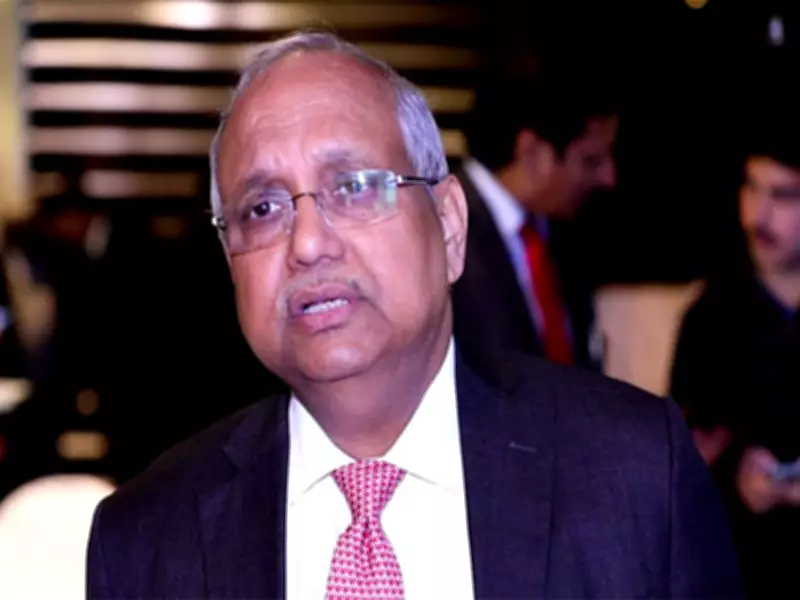
The Confederation of Indian Industry (CII) has issued a stark warning about the escalating impact of the ongoing West Asia conflict on Indian businesses. In a statement released on Sunday, CII Director General Chandrajit Banerjee revealed that companies across the country are grappling with significant disruptions, including shipment delays and shortages of essential raw materials. These challenges are creating downstream effects that threaten to ripple through multiple sectors reliant on global trade flows.
Immediate Impacts on Supply Chains and Energy Markets
Banerjee emphasized that the conflict has severely disrupted critical maritime routes, leading to tightened global supply chains. Indian firms are experiencing constraints in key energy inputs and emerging shortages in vital raw materials and intermediates. This situation is placing immense pressure on both imports and exports, with manufacturing and other industries feeling the ripple effects acutely. The disruptions are not limited to logistics; they have also intensified volatility in energy markets, further complicating trade dynamics.
India's Resilience and Government Response
Despite these emerging challenges, CII underscored that India is better positioned than in previous years to absorb such external shocks. Banerjee noted that the country enters this turbulent phase from a position of strength, bolstered by structural reforms and the government's Atmanirbhar Bharat initiative, which has enhanced domestic resilience. The industry lobby praised the government's response as quick, calibrated, and continuous, highlighting measures such as:

- Diversification of crude oil sources to reduce dependency on volatile regions.
- Maximization of LPG production to ensure energy security.
- Facilitation of exports to maintain trade momentum.
- Stabilization of currency to mitigate financial risks.
Industry Adaptation and Strategic Imperatives
In response to the shocks, Indian industry is actively adapting by accelerating energy diversification, optimizing supply chains, and protecting jobs. CII highlighted the strategic importance of ongoing investments in renewable energy, green hydrogen, biofuels, and energy efficiency. These initiatives are seen as critical imperatives to reduce vulnerability to geopolitical energy shocks and build long-term sustainability.
Banerjee expressed confidence in India's ability to withstand the current challenges, stating, "While the situation remains challenging, we are confident that the government's approach, combined with its partnership-driven engagement with all stakeholders, will help India withstand this shock and preserve its forward-economic momentum." The industry body observed that while the challenge is significant, India's capacity to respond proactively is equally robust, ensuring the protection of its economic interests.






