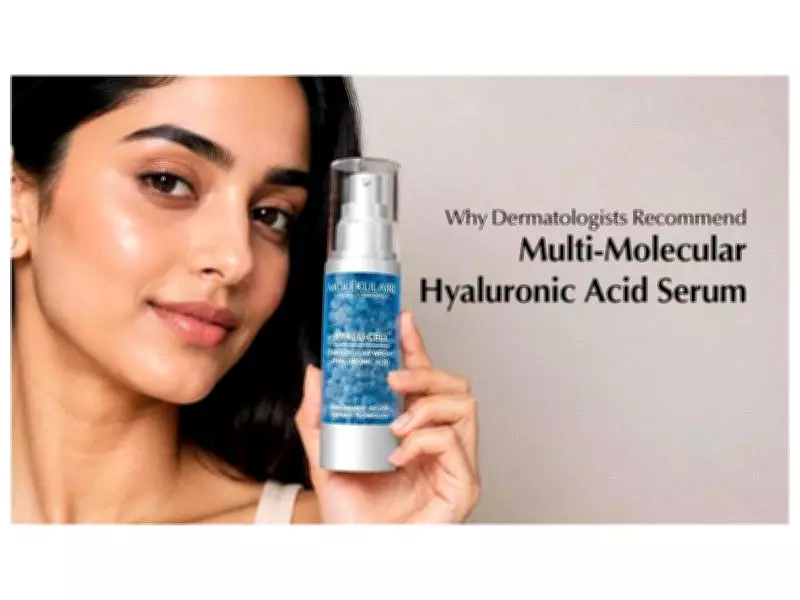
Multi-Molecular Hyaluronic Acid Serum: A Dermatologist-Approved Hydration Solution
Healthy skin depends heavily on hydration. When the skin lacks moisture, it often becomes dull, tight, rough, or sensitive. This is why dermatologists increasingly focus on hydration-first skincare routines designed to support long-lasting moisture and skin barrier health.
One ingredient that continues to stand out in modern skincare is hyaluronic acid. However, not all hydration formulas work the same way. Many dermatologists now recommend a multi-molecular hyaluronic acid serum instead of traditional single-weight formulas because it delivers hydration across multiple layers of the skin rather than only on the surface.
This advanced hydration technology has become especially popular for people dealing with dehydrated skin, damaged barriers, environmental stress, or early signs of skin aging. From lightweight daily hydration to deeper moisture retention, a well-formulated hyaluronic acid serum can play an important role in improving overall skin health.

What Is a Multi-Molecular Hyaluronic Acid Serum?
A multi-molecular weight serum contains different molecular sizes of hyaluronic acid combined within one formula. Each molecular weight works differently:
- High molecular weight hyaluronic acid stays closer to the skin surface and helps reduce moisture loss.
- Medium molecular weight supports skin softness and moisture balance.
- Low molecular weight hyaluronic acid helps improve hydration deeper within the upper layers of the skin.
This creates what dermatologists often describe as a layered hydration system. Instead of providing only temporary surface moisture, a multi-molecular hyaluronic acid serum supports hydration throughout multiple levels of the skin. This helps improve long-lasting comfort and hydration retention over time.
Because hydration affects skin texture, elasticity, barrier strength, and overall appearance, dermatologists often prefer these advanced formulas for more complete moisture support.
Why Hydration Matters More Than Most People Think
Many skincare concerns are directly connected to dehydration. When the skin lacks water, it may appear dull, tight, rough, tired, or more sensitive. Dehydrated skin can also make fine lines look more visible and cause the skin barrier to become weaker over time.
This is why hydration is considered one of the foundations of healthy skin function. A properly formulated hyaluronic acid serum helps attract and retain water within the skin, supporting smoother texture, better elasticity, improved glow, skin comfort, and healthier barrier function.
Modern dermatology increasingly focuses on maintaining skin hydration before aggressively targeting concerns like pigmentation, acne, or aging because healthy hydration allows the skin to function more effectively overall.
Why Dermatologists Prefer Multi-Molecular Hydration Technology
Traditional hydration products often focus only on surface moisturization. While they may temporarily soften the skin, the hydration effect sometimes fades quickly because moisture is not retained properly throughout the skin barrier.
This is where multi-molecular weight serum technology becomes important.
High Molecular Weight Hyaluronic Acid
This larger molecule remains closer to the outer layer of the skin and helps improve surface hydration, reduce moisture evaporation, smooth rough texture, and protect against environmental dehydration.
Low Molecular Weight Hyaluronic Acid
Smaller molecules help improve hydration deeper within the upper skin layers and support long-lasting hydration, skin plumping, improved elasticity, and better moisture retention. This combination allows hydration to work more effectively across different layers instead of remaining only on the surface.
Dermatologists often recommend this layered hydration approach because dehydrated skin usually needs support at multiple levels.
How Multi-Molecular Hyaluronic Acid Supports the Skin Barrier
The skin barrier acts as the skin's natural protective shield. It helps protect against pollution, irritation, bacteria, and moisture loss. When the barrier becomes damaged, the skin may experience tightness, redness, dry patches, increased sensitivity, and rough texture.

One major reason dermatologists recommend multi-molecular hyaluronic acid serum formulas is because hydration plays an important role in barrier recovery. Hydrated skin generally functions better and loses less moisture over time. Supporting hydration across multiple skin levels helps improve the skin's ability to maintain balance and resilience.
This is also why dermatologists often combine hydration-focused products with barrier-supporting ingredients such as ceramides, peptides, or a niacinamide serum.
Why Niacinamide Serum and Hyaluronic Acid Serum Work Well Together
Dermatologists frequently recommend combining a niacinamide serum with a hyaluronic acid serum because both ingredients support skin health in complementary ways.
Niacinamide helps strengthen the skin barrier, reduce visible redness, improve uneven tone, and support oil balance. Hyaluronic acid helps attract moisture, retain hydration, improve softness, and support smoother skin texture.
Together, these ingredients help create a balanced skincare routine focused on hydration, barrier support, and healthier-looking skin. This combination is particularly beneficial for sensitive, dehydrated, combination, or barrier-damaged skin. Using a niacinamide serum alongside a hydration-focused routine may also help improve overall skin comfort while reducing irritation caused by dryness or environmental stress.
Dry Skin vs Dehydrated Skin
Many people confuse dry skin with dehydrated skin, but they are different concerns. Dry skin lacks natural oils, is often genetic, and may appear flaky or rough. Dehydrated skin lacks water, can affect all skin types, and is often caused by weather, harsh skincare, dehydration, or over-exfoliation.
A multi-molecular weight serum mainly targets dehydrated skin because it focuses on improving the skin's water retention ability. This is why even oily or acne-prone skin types can benefit from using a lightweight hyaluronic acid serum. Hydration does not necessarily make the skin oily. In many cases, properly hydrated skin actually feels more balanced and comfortable.
How Hyalu Cell Serum Supports Deep Hydration
Modern Hyalu Cell serum formulas are designed around advanced hydration science and multi-layer moisture support. These formulations often combine multiple forms of hyaluronic acid, lightweight hydration systems, barrier-supporting ingredients, and moisture retention technology. This helps improve long-lasting hydration, skin softness, smooth texture, moisture balance, and a healthy-looking glow.
Because many Hyalu Cell serum products are lightweight and non-greasy, they work well for daily use across different skin types. For people experiencing dehydration from pollution, indoor air conditioning, weather changes, or harsh skincare routines, this type of hydration technology may help improve overall skin comfort and resilience.
Common Mistakes When Using Hyaluronic Acid Serum
Even a high-quality hyaluronic acid serum may not work properly if used incorrectly. Applying on completely dry skin is a common mistake; hyaluronic acid works best when applied to slightly damp skin because it binds water more effectively. Skipping moisturizer is another error, as a moisturizer helps lock hydration into the skin and reduces moisture loss.
Overusing harsh active ingredients, such as too many exfoliating acids or strong treatments, may weaken the skin barrier and increase dehydration. Ignoring barrier health also reduces effectiveness, as hydration performs better when the skin barrier is healthy and protected. A balanced skincare routine is usually more effective than aggressively using multiple strong active ingredients at once.
Final Thoughts
Dermatologists recommend multi-molecular hyaluronic acid serum formulas because they provide more advanced hydration support compared to traditional single-weight hydration products. By combining multiple molecular sizes, these formulas help improve moisture retention, support healthier barrier function, reduce dehydration, improve skin softness, and deliver longer-lasting hydration.
When paired with ingredients like a niacinamide serum or advanced Hyalu Cell serum technology, multi-molecular hydration can help support smoother, healthier, and more resilient-looking skin over time. As skincare science continues evolving, layered hydration technology is becoming one of the most important innovations for maintaining balanced, comfortable, and deeply hydrated skin.
(ADVERTORIAL DISCLAIMER: The above press release has been provided by VMPL. ANI will not be responsible in any way for the content of the same.)