Laid-Off Worker's Viral Rant Exposes 'Sad' LinkedIn Posts by Executives After Job Cuts
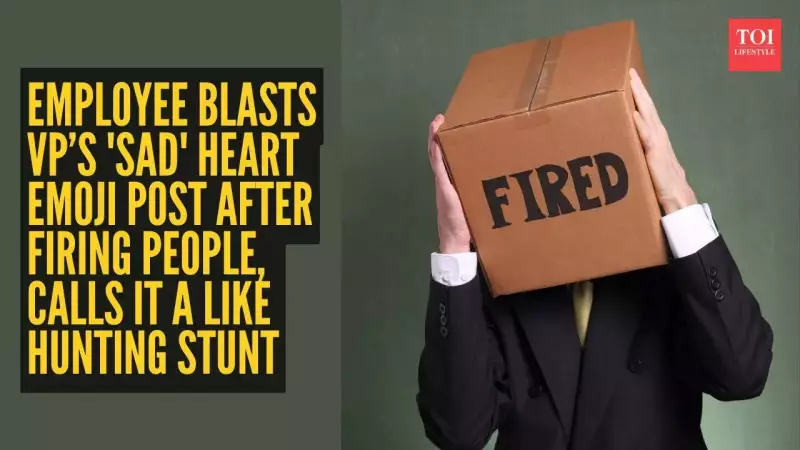
A laid-off worker's unfiltered social media rant about executives posting "sad" updates on LinkedIn is spreading rapidly across the internet. The post resonates deeply with anyone who has experienced the painful reality of job cuts in today's corporate environment.
The Breaking Point That Sparked the Viral Outburst
The worker reached their breaking point immediately after receiving a layoff notification email. They made what they later called "my mistake" by opening LinkedIn right afterward. There, they saw company leaders already posting emotional updates filled with heart emojis and phrases like "Had to say goodbye to amazing people."
While these executives collected likes and sympathy comments online, the laid-off employee faced immediate real-world concerns. They grappled with visa status uncertainties, disappearing health insurance coverage, and mounting bills that needed payment.

"The layoff email was bad. LinkedIn was worse," the worker vented on Blind, the anonymous app where technology professionals share unfiltered truths about workplace environments.
In Their Own Words: The Raw Experience
The worker described the sequence of events with painful clarity. "I got the layoff email. Sat there for a bit. Didn't tell anyone. For some reason, I opened LinkedIn. That was my mistake."
Seeing a vice president's post just minutes later felt like salt being rubbed into an open wound. "Sad tone. 'Had to say goodbye to amazing people.' Heart emoji. Comments full of other execs saying how hard this must be for them."
The most devastating realization came next. "Meanwhile, I'm sitting there thinking about my visa and how long my insurance lasts. What messed me up wasn't the layoff... Leadership goes quiet internally, then they show up on LinkedIn to look human, they collect likes and condolences."
They concluded with blunt advice for fellow laid-off workers. "I can't believe this is what leadership looks like these days... it's disgusting. Don't open LinkedIn if you've been laid off, it will just make you more angry."
Netizens React with Shared Experiences
The post struck a powerful chord across social media platforms, triggering a flood of similar stories from others who have lived through identical situations.
One former Meta employee shared a strategic approach. "When I was laid off from Meta a few years ago, I drafted my LinkedIn post the night before... Posted it as soon as the 4am email hit. Was one of the first, so it trended. Got tons of 'if you need referrals...' messages. Highly recommend being prepared so you can game LinkedIn's algorithm while you're still sharp. Get in before the self-pitying survivors."
Another commenter highlighted what they saw as ulterior motives behind executive posts. "Those managers don't care about you. They want to signal to their network that they're not getting axed - that they're the survivors. It's cunning. They'd sacrifice 10 of you for a good performance rating. They don't think you're 'amazing' or care to say goodbye personally."
A third response captured the frustration with superficial support. "I totally feel you. Hated seeing colleagues post how they were 'lucky' to stay and offering to 'help.' Help with what? Most can't refer you, interview for you, or cover your rent."
The Harsh Reality of Corporate Layoffs Exposed
This viral outpouring exposes a difficult truth about modern corporate layoffs. During challenging economic times, social media platforms can amplify emotional pain for those directly affected by job cuts.
However, the discussion also reveals that some savvy individuals have learned to turn these platforms to their advantage. By understanding social media algorithms and timing their posts strategically, they can generate networking opportunities even during difficult career transitions.
The conversation continues to grow as more people share their experiences with post-layoff social media dynamics, particularly on professional networking platforms like LinkedIn.