

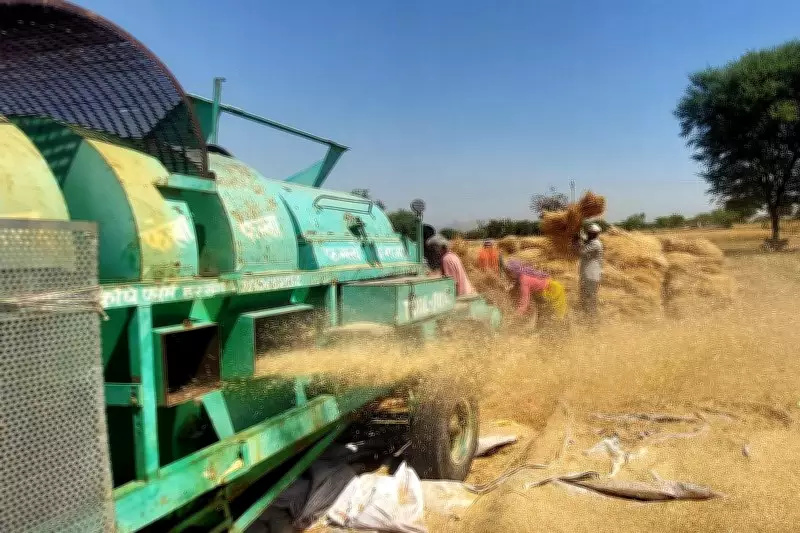
The Imperative of Integrating Agriculture into India's Development Framework
In the pursuit of rapid economic growth, India faces a critical challenge: ensuring that development does not bypass the farm sector. Agriculture remains the backbone of the nation's economy, supporting millions of livelihoods and ensuring food security for a vast population. As policymakers and economists chart the course for India's future, it is increasingly clear that sustainable progress cannot be achieved without a robust and integrated agricultural strategy.
The Role of Agriculture in Economic Stability
Agriculture contributes significantly to India's Gross Domestic Product (GDP) and employs a large portion of the workforce, particularly in rural areas. Ignoring this sector in development plans could lead to severe repercussions, including increased poverty, food shortages, and social unrest. The farm sector is not just about crop production; it encompasses allied activities such as dairy, fisheries, and forestry, which are vital for rural economies.
Recent trends show that while urban centers and industries have seen growth, agricultural productivity has stagnated in some regions. This disparity highlights the need for balanced development that addresses the unique challenges faced by farmers, such as climate change, water scarcity, and market access. By investing in modern farming techniques, infrastructure, and research, India can enhance agricultural output and improve the quality of life for rural communities.

Challenges and Opportunities in the Farm Sector
The farm sector faces numerous obstacles that hinder its growth and integration into the broader economy. Key issues include:
- Inadequate infrastructure: Poor storage facilities, transportation networks, and irrigation systems limit efficiency and increase post-harvest losses.
- Market inefficiencies: Farmers often struggle with low prices due to middlemen and lack of direct market access, affecting their income.
- Climate vulnerability: Erratic weather patterns and natural disasters pose significant risks to crop yields and farmer livelihoods.
However, there are also opportunities for transformation. Technological innovations, such as precision agriculture and digital platforms, can revolutionize farming practices. Government schemes aimed at providing financial support, insurance, and training can empower farmers to adopt sustainable methods. By leveraging these tools, India can create a more resilient and productive agricultural system.
Policy Recommendations for Inclusive Growth
To ensure that development encompasses the farm sector, policymakers must adopt a multi-faceted approach. This includes:
- Enhancing investment: Allocating more resources to agricultural research, infrastructure development, and farmer welfare programs to boost productivity and income.
- Promoting diversification: Encouraging farmers to explore high-value crops, organic farming, and agro-processing industries to reduce dependency on traditional crops.
- Strengthening institutions: Improving access to credit, insurance, and extension services to support farmers in managing risks and adopting new technologies.
By prioritizing agriculture in national development agendas, India can achieve a more equitable and sustainable growth model. This not only benefits rural populations but also contributes to overall economic stability and food security, making it a cornerstone of the country's progress.






