

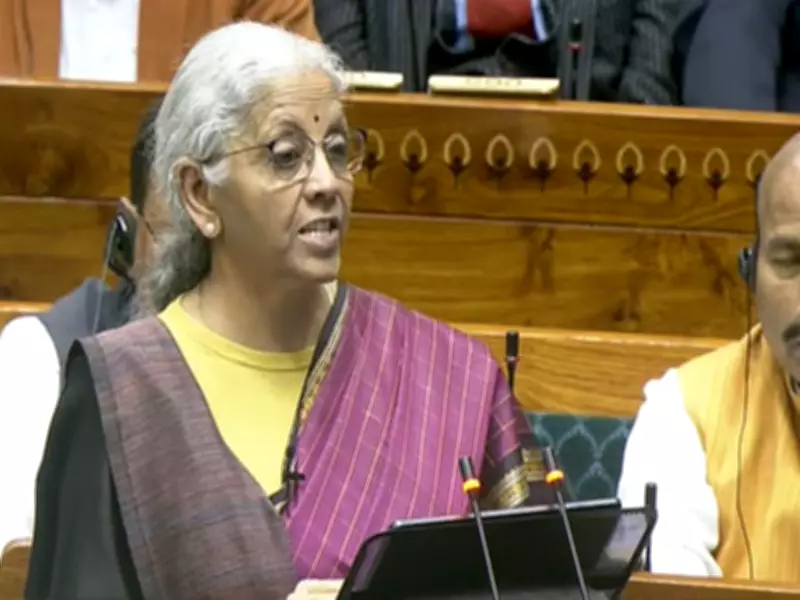
Union Budget 2026 Introduces Customs Duty Rationalisation to Strengthen Domestic Manufacturing
The Union Budget for the fiscal year 2026 has unveiled a significant rationalisation of customs duties on a range of key items, with a clear focus on bolstering domestic manufacturing capabilities and enhancing the ease of living for Indian citizens. This strategic fiscal measure is designed to reduce the country's reliance on imports while simultaneously fostering self-reliance in critical industrial sectors.
Key Highlights of the Customs Duty Rationalisation
The budget proposals include adjustments to customs duties on various essential goods and raw materials, aiming to create a more conducive environment for local production. By making imported components and finished products more expensive through duty hikes, the government intends to incentivise domestic manufacturers to scale up their operations and invest in new technologies.
This move is expected to have a positive impact on several key industries, including electronics, pharmaceuticals, and automotive sectors, where import dependency has been a longstanding challenge. The rationalisation is also aligned with the broader vision of Atmanirbhar Bharat, encouraging indigenous innovation and production.

Focus on Ease of Living and Consumer Benefits
In addition to boosting manufacturing, the customs duty changes are crafted to improve the ease of living for ordinary citizens. By potentially lowering duties on certain consumer goods or raw materials used in daily essentials, the budget aims to make these products more affordable and accessible. This dual approach seeks to balance industrial growth with tangible benefits for households across the nation.
The government has emphasised that these adjustments are part of a comprehensive strategy to streamline trade policies, reduce compliance burdens, and create a more predictable tariff regime. This is anticipated to attract both domestic and foreign investments into the manufacturing ecosystem, thereby generating employment opportunities and stimulating economic growth.
Expected Outcomes and Industry Reactions
Industry experts have welcomed the rationalisation, noting that it could lead to increased competitiveness of Indian-made products in the global market. However, some stakeholders have raised concerns about potential short-term price increases for certain imported goods, urging the government to monitor the impact on inflation closely.
Overall, the Budget 2026's focus on customs duty rationalisation represents a pivotal step towards achieving sustainable economic development. By prioritising domestic manufacturing and ease of living, the government aims to build a resilient economy that is less vulnerable to global supply chain disruptions and more responsive to the needs of its people.






