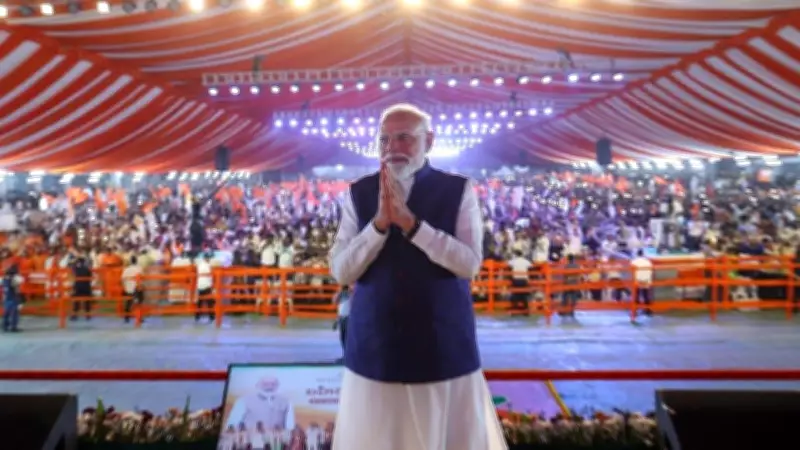
The Prime Minister's recent appeal for citizens to reduce consumption has sparked a nationwide debate on whether austerity can truly alleviate economic stress. By framing economic resilience as a test of personal sacrifice, the government is shifting the narrative from institutional responsibility to individual duty.
The Call for Austerity
In a televised address, the PM urged households to cut back on non-essential spending, emphasizing that collective frugality could strengthen the economy. This message comes amid rising inflation and slowing growth, prompting concerns about the burden on ordinary citizens.
Historical Context
Austerity measures have been employed in various countries during economic crises, often with mixed results. While some economists argue that reduced consumption can curb inflation and stabilize markets, others warn that it may suppress demand and deepen recessions.

Public Reaction
Citizens have expressed skepticism, noting that many are already struggling with high living costs. Social media debates highlight the gap between policy rhetoric and ground realities, with some calling for targeted relief rather than broad sacrifice.
Expert Opinions
Economists are divided. Dr. Ananya Sharma, a macroeconomist, suggests that voluntary austerity might help in the short term but cannot substitute for structural reforms. Meanwhile, Professor Rajesh Kumar argues that personal sacrifice alone cannot address systemic issues like tax evasion or corporate profiteering.
Government's Response
Officials have defended the call, stating that it complements fiscal measures such as subsidies and tax cuts. They emphasize that the goal is not to impose hardship but to foster a culture of mindful consumption.
Way Forward
As the debate continues, the effectiveness of austerity will depend on complementary policies and public trust. The government may need to balance its appeal for sacrifice with tangible support to ensure that economic resilience does not come at the cost of social equity.