

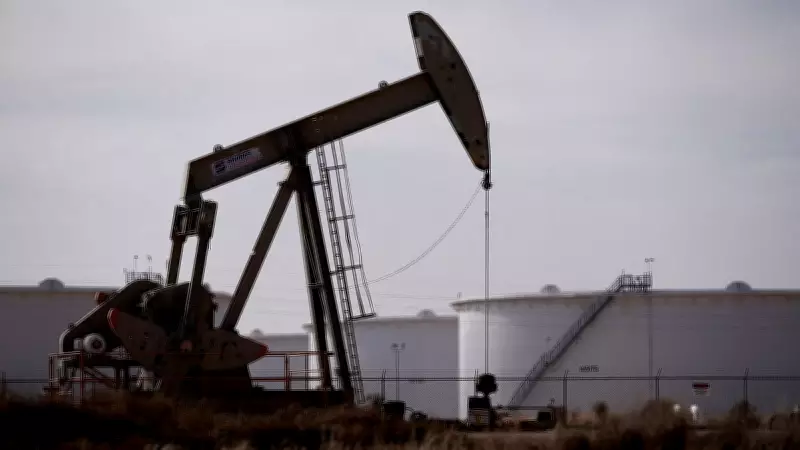
Crude Oil Futures Reach Record High of Rs 10,888 per Barrel
In a significant market development, crude oil futures have skyrocketed to an all-time high of Rs 10,888 per barrel, marking a historic milestone in the energy sector. Concurrently, West Texas Intermediate (WTI) crude oil prices have surged to $116 per barrel, reflecting intense volatility and upward pressure in global markets.
Analysts Attribute Surge to Supply Constraints and Geopolitical Risks
Market analysts have identified two primary factors driving this unprecedented rally. Firstly, tightening global supply conditions have created a scarcity of crude oil, exacerbating price increases as demand remains robust amid economic recoveries worldwide. Secondly, heightened uncertainty surrounding the Strait of Hormuz, a critical maritime chokepoint for energy exports, has injected significant risk premiums into oil prices. This strategic waterway, through which a substantial portion of the world's oil shipments pass, faces ongoing geopolitical tensions that threaten to disrupt supply chains.
Experts warn that these conditions could persist, leading to sustained high prices and potential impacts on inflation and economic growth. The combination of limited supply and geopolitical instability has created a perfect storm, pushing crude oil benchmarks to levels not seen in recent history.

Implications for Global and Domestic Markets
The surge in crude oil prices is expected to have far-reaching consequences. Globally, it may fuel inflationary pressures, affecting everything from transportation costs to consumer goods prices. For domestic markets, particularly in India, higher crude oil prices could translate into increased fuel costs, potentially straining household budgets and influencing monetary policy decisions.
As of April 7, 2026, at 07:33 IST, this development underscores the fragile balance in energy markets and the critical role of geopolitical factors in shaping commodity prices. Stakeholders, including governments, businesses, and consumers, are advised to monitor the situation closely for further volatility.






