

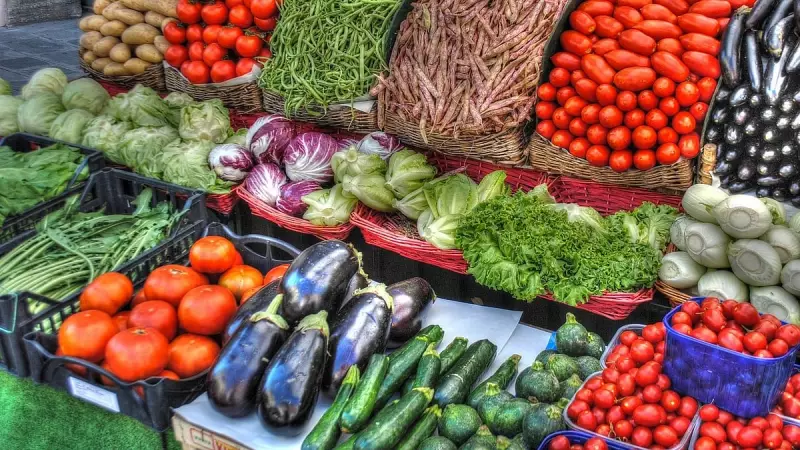
India's retail inflation, measured by the Consumer Price Index (CPI), witnessed an uptick in December 2021, reversing a declining trend and putting pressure on household budgets. According to official data released by the National Statistical Office (NSO), the inflation rate rose to 4.91% in December, compared to 4.23% in November 2021.
What Drove the Inflation Surge?
The primary driver behind this increase was a sharp rise in prices of essential food items, commonly referred to as kitchen essentials. The data indicates that food inflation played a significant role in pushing the overall index higher. While the overall number remained within the Reserve Bank of India's (RBI) tolerance band of 2-6%, the month-on-month increase highlights the persistent volatility in food prices, which directly impacts the common citizen's daily expenditure.
The inflation rate for December 2021, however, was lower than the 4.95% recorded in December 2020. This suggests a complex year-on-year comparison where base effects are at play. The sequential rise from November to December is a key concern for policymakers monitoring price stability.

A Closer Look at the CPI Components
The Consumer Price Index combines various categories to gauge the average change in prices over time. The December data underscores that the burden is not evenly spread. The segment encompassing food and beverages, which carries substantial weight in the Indian consumer's basket, experienced notable price pressures. Items like vegetables, oils, and other daily necessities became costlier, squeezing household finances, especially for low and middle-income families.
In contrast, some non-food categories may have shown relative stability, but the surge in essential commodities overshadowed these trends. The urban and rural inflation figures provide a granular view of how this price rise affected different demographics across the country.
Implications for Economy and Policy
This inflation data holds significant implications for both the economy and monetary policy. The Reserve Bank of India, which has maintained an accommodative stance to support growth recovery from the pandemic, closely monitors CPI trends. A consistent rise in inflation, particularly if it breaches the upper limit of the RBI's mandate, could limit the central bank's ability to keep interest rates low for an extended period.
For the common public, higher retail inflation translates to reduced purchasing power. As everyday items become more expensive, disposable income shrinks, potentially dampening demand for other goods and services. This creates a challenging balancing act for authorities aiming to foster economic growth while keeping living costs in check.
Economists and analysts will be watching the forthcoming data releases keenly to determine if December's figure is a temporary blip or the beginning of a sustained inflationary trend. Factors such as supply chain disruptions, global commodity prices, and domestic agricultural output will continue to influence the trajectory of inflation in the coming months.
The government, on its part, may need to consider targeted interventions to cool food prices, such as managing supply-side issues and reviewing import duties on key items. The December inflation print serves as a reminder of the fragile balance in the post-pandemic economic landscape and the ongoing challenge of managing price stability for a vast and diverse population.






