

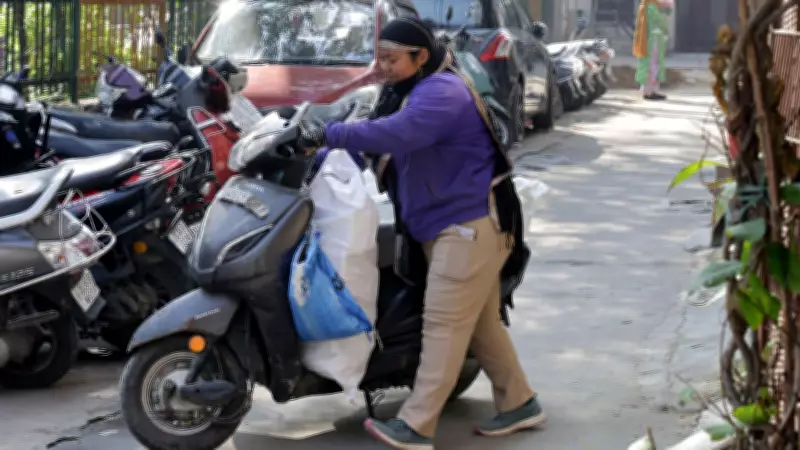
Delhi's Gig Economy: A Tale of Two Realities for Platform Workers
In the bustling streets of Delhi, the gig economy paints a complex picture of modern work, serving as both a flexible opportunity and a source of deep insecurity for India's vast platform workforce. With an estimated 1.2 crore people engaged in gig and platform work as of 2024-25, and projections suggesting this number could double by 2030, the sector is at a critical juncture. India stands out globally, particularly in quick commerce, where the demanding "10-minute delivery" model has not only persisted but flourished, driven by dense urban neighborhoods, a preference for fresh purchases, and habits shaped by limited disposable incomes, as noted in research by J M Financials.
The National Conversation Ignites
Recent strikes by gig worker unions, especially around Christmas and New Year's Eve, have thrust their working conditions into the national spotlight. This activism prompted the central government to urge quick commerce companies to eliminate the 10-minute delivery deadline, highlighting growing concerns over worker welfare. The Indian Express conducted interviews with four quick commerce workers across diverse areas of Delhi—from affluent to lower-income neighborhoods—unveiling the multifaceted nature of this economy. Their stories, set in dark stores, on bumpy rides through narrow lanes, and up countless staircases, illustrate how gig work can be a stopgap for some, a lifeline for others, and often a blend of freedom and uncertainty.
In a nation grappling with endemic unemployment and underemployment, platform work has undeniably created new avenues for income. However, as more individuals enter this system without robust collective bargaining or social protection mechanisms, tensions are escalating, and calls for regulatory oversight are becoming increasingly urgent. Queries sent to major players like Blinkit and Zepto regarding these issues went unanswered, underscoring the communication gaps in the industry.

Voices from the Ground: Personal Stories of Struggle and Resilience
The Anonymous Veteran in Laxmi Nagar, East Delhi
A 38-year-old man, who prefers anonymity due to fears of judgment, leans against his bike outside a Blinkit dark store. His phone alerts him to an order—a single packet of Maggi—and he navigates chaotic traffic, often taking shortcuts through main roads and winding lanes. Completing a 3.6-km round trip in seven minutes, he earns a mere Rs 20.21. With intimate knowledge of his delivery area, he rarely relies on GPS, but the physical toll is evident. "My legs hurt from going up and down stairs and riding the bike all day," he shares. Another order for puja wicks takes him on a 4-km journey, yielding Rs 21.43.
After his textile business collapsed in 2022, he turned to gig work, lured by promises of monthly earnings between Rs 25,000 and Rs 30,000. Despite claims from industry leaders like Deepinder Goyal of Zomato and Blinkit, who cited average hourly earnings of Rs 102 in 2025, his reality is harsher. In August, he worked 234 hours—nearly eight hours daily—for a total of Rs 16,477, equating to about Rs 70 per hour. Over subsequent months, his income averaged Rs 15,000, aligning with the Economic Survey 2025-26's finding that 40% of gig workers earn below Rs 15,000 monthly. Grateful for his home and bike, he notes the plight of younger workers who rent both, pushing themselves to the limit to make ends meet.
Suraj Gautam, 27, in Kirti Nagar, West Delhi
Suraj Gautam embodies the desperation driving many into gig work. After his father's disability and brother's illness, he moved from Ayodhya to Delhi to repay a Rs 5 lakh debt. Zepto's promise of weekly earnings and autonomy led him to work 15-hour days, from 6 am to midnight, with only brief breaks. Initially, he earned Rs 40,000 monthly by maximizing "peak slot" and "surge" incentives, such as the "Full Week Surge" offering Rs 3,012 for completing specific shifts. However, his income plummeted to around Rs 500 daily due to labor oversupply, forcing him to leave. He now works for Porter, planning to repay the remaining Rs 2 lakh debt, then invest in electrical equipment and pursue mobile repair training in Kanpur before returning to Ayodhya.

Balaji Parthasarathy, a professor at IIIT Bangalore, critiques this model, arguing that if work hours are algorithmically dictated rather than chosen, it undermines the essence of gig work. Suraj's experience highlights the precarious balance between opportunity and exploitation.
Anjali Verma, 31, in Chanakyapuri, South Delhi
For Anjali, one of the few women in Blinkit's workforce, the gig economy delivers on its promise of flexibility. Working from a dark store near upscale restaurants, she logs in after her four-year-old son returns from school, prioritizing family commitments. "No one can scold me for not coming in for a week if I don't want to. No one is sitting on my head, demanding work," she explains. Previously employed at a petrol pump with a fixed Rs 12,000 monthly salary, she now values the tradeoff between earnings and autonomy, despite potential income fluctuations. Her story underscores how gig work can empower women by accommodating caregiving responsibilities.
Arif Khan, 38, in Sangam Vihar, South Delhi
Arif Khan, a seasoned platform worker with stints at Amazon, Uber Eats, and Urban Company, views gigs as a path to freedom from rigid schedules and low pay elsewhere. Tech-savvy and ambitious, he dreams of opening a restaurant and even consulted AI for logo ideas. His time with Zepto was among his best, earning Rs 7,000 weekly on average. However, after participating in the New Year's strike, his ID was blocked under dubious customer complaints, a claim he disputes. Saurabh Bhattacharjee of NLSIU Bangalore advocates for government-mandated algorithmic transparency to protect workers like Arif from such arbitrary actions.
The Path Forward: Regulation and Recognition
As India's gig economy expands, the narratives from Delhi reveal a pressing need for balanced regulation that safeguards worker rights while preserving flexibility. With frictions rising and collective bargaining mechanisms weak, the demand for policy interventions grows louder. These stories not only humanize the statistics but also call for a reevaluation of how platform work integrates into India's labor landscape, ensuring it serves as a sustainable lifeline rather than a source of enduring insecurity.





