

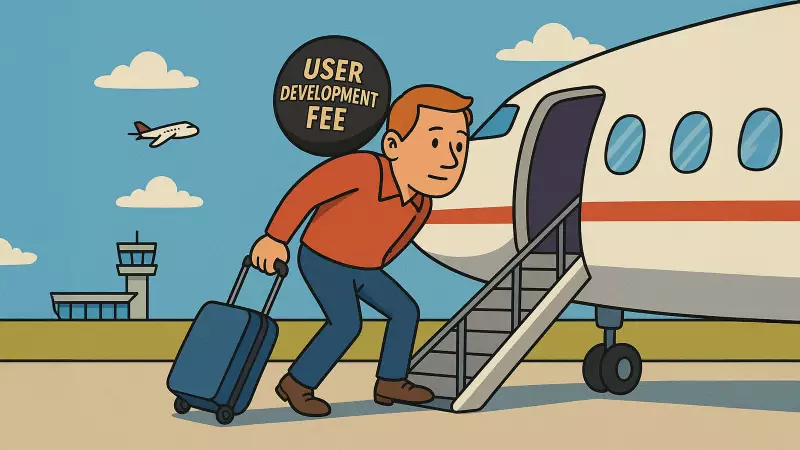
Passengers flying from India's two busiest airports in Delhi and Mumbai are bracing for a massive surge in travel costs. A recent judicial order has paved the way for airport operators to recover substantial past dues, a move that could dramatically increase the price of both domestic and international tickets.
TDSAT Order Triggers Massive Financial Recalculation
The root of this potential price shock lies in an order passed by the Telecom Disputes Settlement and Appellate Tribunal (TDSAT). The tribunal has redefined the formula used to calculate airport tariffs for a critical five-year period spanning from the financial year 2009 to 2014 (FY09 to FY14). This recalculation has revealed a significant under-recovery of charges by the airports during those years.
The financial implication of this revised formula is staggering. It has created a situation where the operators of the Indira Gandhi International Airport (Delhi) and Chhatrapati Shivaji Maharaj International Airport (Mumbai) are now owed a colossal cumulative amount exceeding ₹50,000 crore. This sum represents the shortfall in revenue that the airports should have collected from users between 2009 and 2014 based on the newly interpreted tariff rules.

Passengers to Bear the Brunt Through Higher Fees
The primary mechanism for recovering this enormous sum will directly impact every traveler. The airports are expected to collect the dues through increased charges levied on passengers and airlines. The key components include:
- User Development Fee (UDF): This passenger-specific charge could see the most dramatic rise, with estimates suggesting it may skyrocket by up to 22 times its current level.
- Landing and Parking Charges: Fees imposed on airlines for using airport infrastructure are also set to increase, a cost that carriers will inevitably pass on to customers through higher ticket prices.
The order, dated December 1, 2025, has sent ripples through the aviation industry. Experts warn that such a sharp and sudden increase in the cost of air travel could severely hinder passenger growth. India's aviation market, which has been on a steady recovery path, might face headwinds as more expensive tickets could deter budget-conscious flyers.
Industry and Travelers Await Final Implementation
While the TDSAT's order sets the legal and financial precedent, the exact timeline and final structure for implementing these increased charges are yet to be fully determined. The Airports Economic Regulatory Authority (AERA) and the airport operators will now work on the modalities of this recovery process.
The potential consequences are significant for the competitive landscape. The ruling applies specifically to the private operators of the Delhi and Mumbai airports, meaning flights from other major cities like Bengaluru, Hyderabad, or Kolkata may not see a comparable surge in base charges. This could temporarily shift travel patterns and put pressure on these metro airports.
For now, passengers planning trips from the national capital or the financial hub are advised to factor in the possibility of significantly higher costs in the near future, as the aviation sector grapples with this multi-thousand-crore recalibration.






