IOCL Chairman Outlines Key Factors for E85 Success
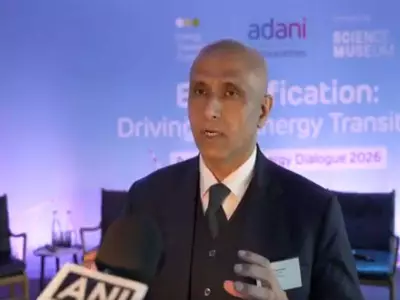
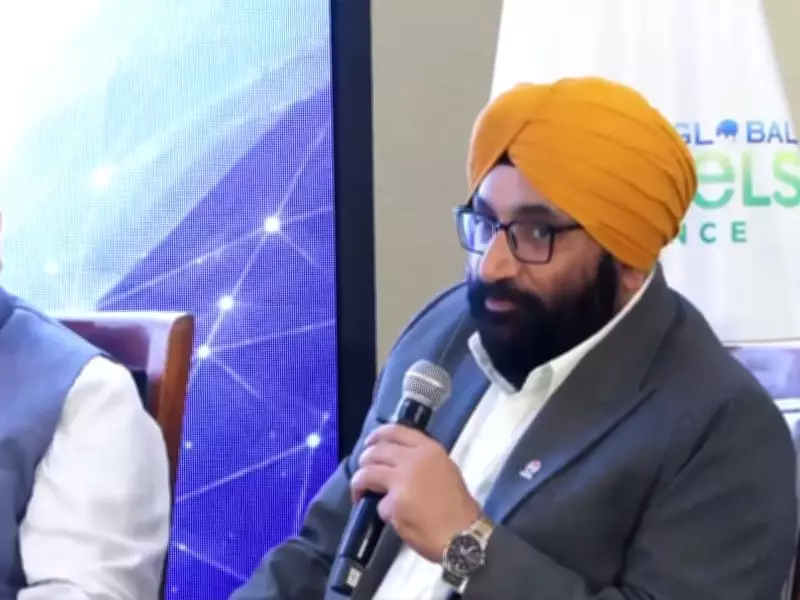
E85 fuel will thrive only if it remains affordable for customers and commercially viable for all stakeholders, according to AS Sahney, Chairman and Managing Director of Indian Oil Corp Limited (IOCL). Speaking at a panel discussion during the Global Biofuels Alliance in Delhi on Tuesday, Sahney emphasized that the high-blend ethanol program must balance energy security with financial sustainability for producers and oil marketing companies.
Four Pillars of Biofuel Framework
Sahney identified four critical components for the success of the ethanol program. "It has to be affordable for the customer; that is number one. And it has to be viable for the producer, and it has to be viable for me. And it should address energy security," he stated. He noted that these premises were the foundation for the flourishing E20 program and would be equally vital for E85. "E85 will flourish if it fits into these broad criteria," he added.
Pricing and Infrastructure Readiness
To ensure affordability, IOCL has introduced E85 at a lower introductory price. "It has to be affordable, which we have tried to do by putting it at a cheaper rate, E85, although it's a launch offer. It may be calibrated further as the consumption increases," Sahney explained. He also confirmed that the infrastructure for higher ethanol blends is already in place. Domestic oil marketing companies now have the operational expertise to manage the distribution chain effectively. "The basics were cleared when we did the E20. The initial journey was challenging. Now at least we know how to handle this," Sahney said.

Supply Chain and Quality Control
Sahney assured that the supply chain would not pose a major challenge. "We, as oil marketing companies, understand how we can manage the supply chain. So supply chain is not going to be an issue that much, I can assure you, because we understand how it is handled right now. We will use primarily the same or similar supply chains for providing E20 and E85. Only the ratios have to change," he stated. The implementation strategy includes segregated dispensing stations and fuel storage tanks at retail outlets to maintain strict quality control. "They have to be segregated dispensing stations, segregated fuel storage tanks at the retail outlets. They will have to be segregated...We have started the E85 at around 50 locations," Sahney added.
Lessons from Past Rollout
Reflecting on previous expansion efforts, Sahney acknowledged that timing is crucial for ecosystem readiness. "Last time, we went for E100. We went for 400 locations all across the country. I think it was a step taken too early because OEMs were not ready, the models were not ready, the flex-fuel vehicles were not ready, but we were ready with E100. This time we have learnt our lessons and are going step by step along with the OEMs," he said.