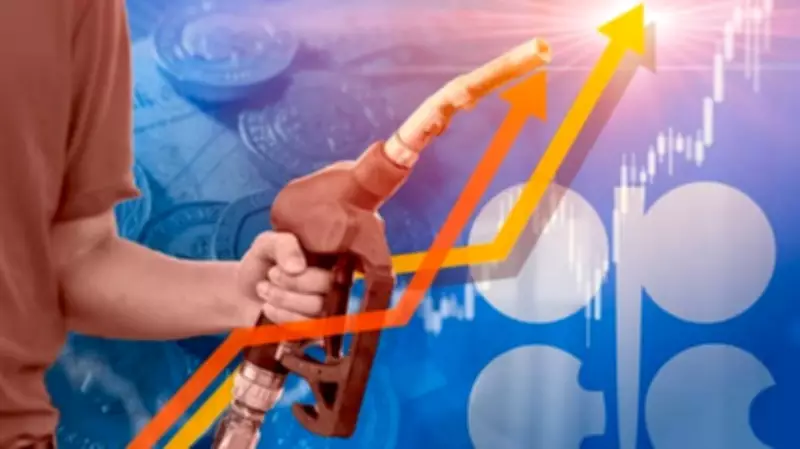
The recent increase in fuel prices has once again brought to the forefront the intricate relationship between politics and economics. As global oil prices surge, the burden on consumers intensifies, sparking debates on how governments manage such economic shocks. This editorial argues that the impact of these shocks can be significantly moderated if timely decisions are taken and transparency is maintained throughout the process.
The Intersection of Politics and Economics
Fuel pricing is not merely an economic issue; it is deeply political. Governments often face a dilemma between passing on the full cost of global price hikes to consumers, which can lead to public discontent, or absorbing the increase through subsidies, which strains fiscal resources. The recent hike reflects this tension, as policymakers attempt to balance market realities with political considerations.
Timely Decisions Matter
One of the key lessons from past episodes is that delays in adjusting fuel prices can exacerbate the problem. When governments postpone necessary hikes, the eventual adjustment is often larger and more painful. Timely action, even if unpopular in the short term, can prevent a buildup of fiscal pressure and reduce the need for drastic measures later. For instance, gradual increases in fuel taxes or a dynamic pricing mechanism can help smooth the transition for consumers.

Transparency as a Tool
Transparency in fuel pricing is crucial to building public trust. When citizens understand the factors driving price changes—such as global crude oil prices, exchange rates, and tax structures—they are more likely to accept necessary adjustments. Governments should communicate clearly about the rationale behind price revisions and the steps being taken to mitigate the impact on vulnerable populations. This includes providing data on how revenues from fuel taxes are utilized for public welfare.
Economic Implications of Fuel Price Hikes
Higher fuel prices have cascading effects on the economy. They increase transportation costs, which in turn raise the prices of goods and services, fueling inflation. This disproportionately affects low-income households, who spend a larger share of their income on energy and essentials. Additionally, fuel price hikes can widen trade deficits and pressure the currency, especially in oil-importing nations.
Policy Options to Mitigate Impact
To cushion the blow, governments can implement targeted subsidies for the most affected groups, such as public transport users or low-income families. Alternatively, they can reduce excise duties or value-added taxes on fuel temporarily. However, such measures must be carefully designed to avoid long-term fiscal imbalances. Investing in renewable energy and public transportation infrastructure is a sustainable solution that reduces dependence on volatile oil markets.
Conclusion
The fuel price hike is a stark reminder that economic shocks require a delicate balance between market forces and political realities. By adopting timely and transparent policies, governments can navigate these challenges more effectively, ensuring that the burden is shared equitably and the economy remains resilient. It is time for politics and economics to work in tandem, not at cross purposes.