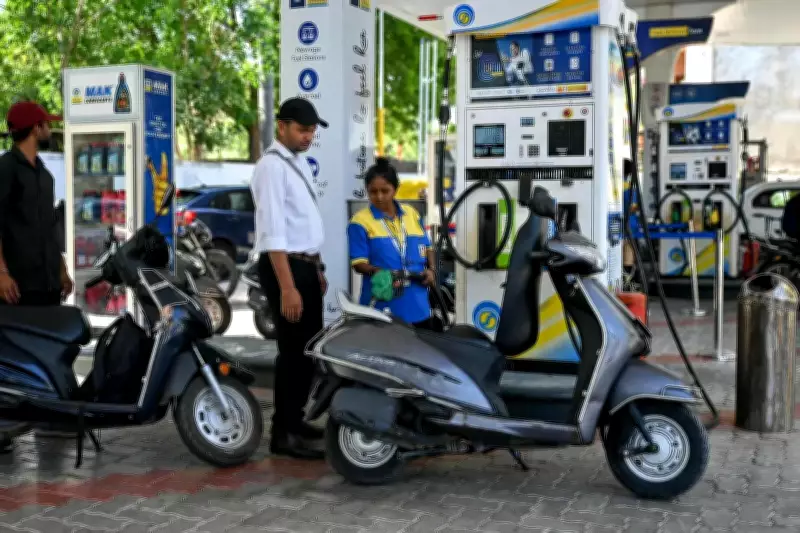
Ahmedabad: The sharp increase in fuel prices effective May 15, coupled with supply disruptions in parts of Gujarat, has triggered concerns among industries, transporters and consumers over rising inflationary pressures and operating costs across sectors.
Price Rise Details
Petrol prices in Ahmedabad have risen by Rs 3.02 per litre, from Rs 94.49 to Rs 97.51, while diesel prices have gone up by Rs 3.09 per litre, from Rs 90.17 to Rs 93.26. Even as some fuel stations saw higher purchase volumes from consumers anticipating further uncertainty, transport operators and dealers flagged severe supply-side issues in the Ahmedabad, Mehsana, and Kutch regions over the past several days. Several fuel stations, particularly at transport hubs on the outskirts of Ahmedabad, reportedly ran dry due to delayed replenishment and reduced depot operating hours.
Transport Sector Impact
“Supply situation is very bad in Ahmedabad and Mehsana, especially along the outskirts. In Kutch, there have been issues for nearly 15 days. Many cooperative pumps could not get fuel and several outlets in transport areas ran dry,” said Mukesh Dave, president of Akhil Gujarat Transport Association. Transport operators said higher fuel costs would directly affect freight rates, especially for small fleet owners already grappling with elevated maintenance and financing expenses. However, Dave said transporters may not immediately pass on the burden. “The price rise is around Rs 3 per litre, translating into a cost impact of nearly 5% for contractors. Since escalation clauses generally kick in beyond that, many operators may have to absorb the cost for now,” he said.

Chemical Industry Concerns
Chemical manufacturers also warned of mounting pressure from rising input and energy costs. Bhupendra Patel, chairman of Chemexcil, said gas prices have increased sharply and many industries have shifted to alternative solid fuels after regulatory approvals. “Raw material prices have gone up and shipping costs are also higher. Liquidity will be affected, and so we have urged banks to enhance loan limits,” he said.
Consumer Behavior and Retail Impact
Petroleum dealers said consumers were buying larger quantities of fuel amid uncertainty. “Ticket sizes are high and people are increasing purchase quantities, though there were no queues at our station,” said Padmajay Rathod, a petroleum dealer. Retail consumers too expressed concern over rising household expenses, as the fuel price increase is expected to affect commuting costs and the prices of vegetables, food products, and other essentials.
“I don’t know whether I should continue driving my car or shift to a two-wheeler. Commute will become expensive, and I am worried about freight and logistics costs too,” said entrepreneur Ayyan Karmakar, who shifted to carpooling on Thursday. Citizens said fuel price rise comes at a time when households are already grappling with rising costs of essentials, including milk, groceries and transportation. Many fear the increase in fuel costs will eventually push up prices of vegetables, food items, app-based transport fares and daily commuting expenses.
“The price increase may look small initially, but it affects everything gradually. Milk prices have already gone up and household budgets are getting tighter every month. Daily commutes, grocery deliveries and even eating out will become more expensive now,” said Nishtha Shah, a professional from the city.