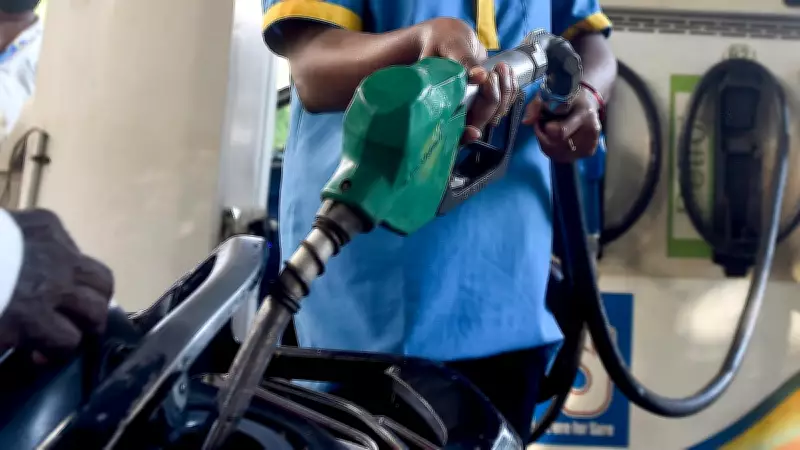
The recent increase in fuel prices by Rs 3.9 per litre has sparked widespread debate, but critics argue that this marginal hike cannot compensate for the Modi government's gross mismanagement of the energy sector. The government's policies have led to a significant gap between domestic and international oil prices, resulting in a heavy burden on consumers and the economy.
Background of the Fuel Price Hike
On March 22, 2025, the government announced a Rs 3.9 per litre increase in petrol and diesel prices, citing the need to align with global crude oil prices. However, this move has been met with sharp criticism from opposition parties and economic experts who claim that the hike is merely a short-term fix for a long-standing problem.
Impact on Consumers
The price hike directly affects millions of households, increasing transportation costs and leading to higher prices for essential goods. For many, this adds to the already high inflation rates, making daily life more expensive. The government's decision to raise taxes on fuel in previous years has also contributed to the current situation.

Energy Mismanagement Under the Modi Government
Since coming to power in 2014, the Modi government has faced criticism for its handling of the energy sector. Key issues include:
- Inadequate investment in renewable energy: Despite ambitious targets, the transition to renewable sources has been slow, leaving India heavily dependent on imported oil.
- Poor management of state-owned oil companies: Oil marketing companies have been forced to keep prices artificially low, leading to huge losses that are now being passed on to consumers.
- Lack of strategic petroleum reserves: India's strategic reserves are insufficient to cushion against global price shocks, leaving the economy vulnerable.
Comparison with Previous Policies
Previous governments, such as the UPA, had implemented measures like the Kirit Parikh Committee recommendations to rationalize fuel pricing. In contrast, the Modi government has been accused of using fuel taxes as a revenue source, increasing excise duties multiple times since 2014.
Economic Consequences
The fuel price hike has broader economic implications. Higher fuel costs increase the import bill, widen the current account deficit, and put pressure on the rupee. Moreover, the government's inability to manage energy prices effectively undermines investor confidence and hampers economic growth.
Global Context
While global oil prices have been volatile due to geopolitical tensions and supply chain disruptions, India's domestic policies have exacerbated the impact. Countries like the US and China have diversified their energy sources and built robust reserves, while India lags behind.
Conclusion
The Rs 3.9 fuel price hike is a stopgap measure that fails to address the deep-rooted issues of energy mismanagement. The Modi government must adopt a comprehensive energy strategy that includes boosting domestic production, accelerating renewable energy adoption, and creating a transparent pricing mechanism. Without such reforms, Indian consumers will continue to bear the brunt of policy failures.