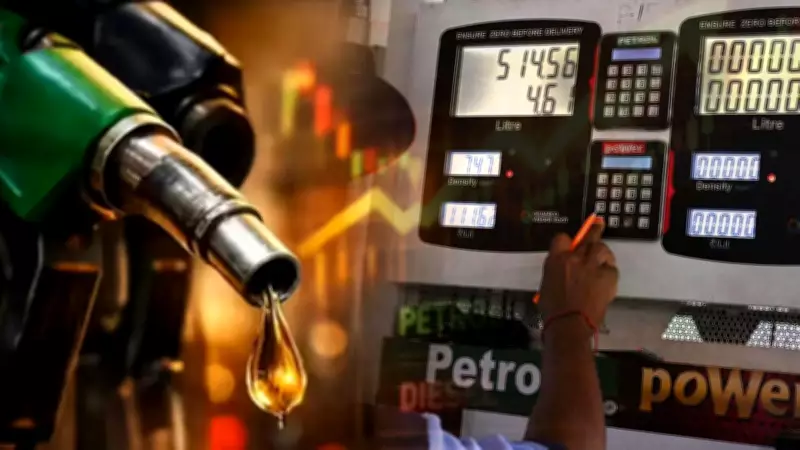
Fuel prices across India have been hiked again, with petrol and diesel rates increasing by approximately 90 paise per litre in major cities. This marks the second increase within a week, following an earlier hike of ₹3 per litre. The surge is driven by rising global crude oil prices amid ongoing tensions in West Asia and disruptions in key trade routes like the Strait of Hormuz.
While the government has assured that fuel supplies remain stable, the repeated hikes are adding financial pressure on consumers and raising concerns over inflation. The latest adjustment comes as global oil markets face volatility due to geopolitical uncertainties and supply chain disruptions.
Impact on Consumers
The consecutive price hikes have left many consumers worried about their monthly budgets. With fuel costs rising, transportation expenses are expected to increase, potentially leading to higher prices for essential goods and services. Economists warn that sustained increases could fuel inflationary pressures across the economy.

Government Response
Officials have emphasized that the price adjustments are a direct result of global market conditions and not due to any domestic supply issues. They reiterated that fuel stocks are adequate and that the government is monitoring the situation closely. However, no immediate relief measures have been announced.
Global Context
The rise in crude oil prices is linked to escalating tensions in West Asia, particularly concerning the Strait of Hormuz, a critical chokepoint for global oil shipments. Any disruption in this route can significantly impact oil prices worldwide. India, being a major importer of crude oil, is particularly vulnerable to such fluctuations.
As the situation evolves, consumers and businesses alike will be watching for any signs of stabilization or further increases. The government's ability to manage the economic impact will be crucial in the coming weeks.