India's GDP Calculation Undergoes Major Overhaul with New Base Year
The Indian government has officially reset the base year for calculating Gross Domestic Product (GDP) to 2022-23, marking a significant methodological shift in how the nation's economic output is measured. This comprehensive update replaces the previous base year and introduces several statistical enhancements designed to provide a more accurate reflection of India's contemporary economic structure.
Understanding the Gross Domestic Product Framework
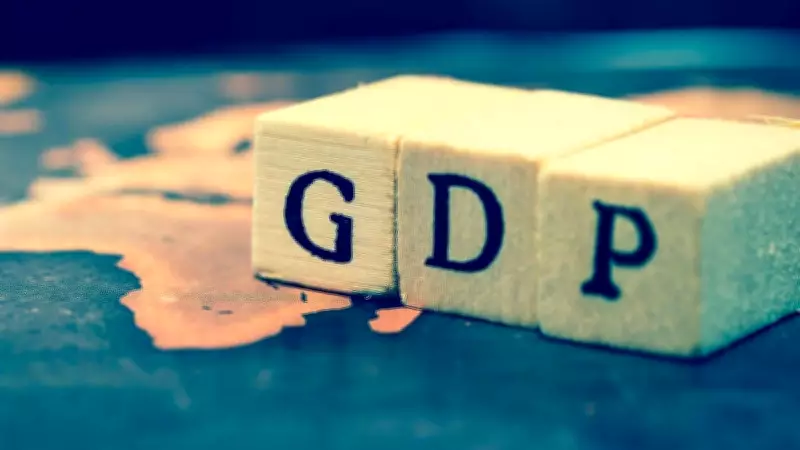
Gross Domestic Product represents the total monetary value of all finished goods and services produced within a country's borders during a specific time period. It serves as the primary indicator of economic health and growth. The base year functions as the reference point against which all subsequent economic data is compared, allowing for meaningful analysis of growth trends and structural changes over time.
Rationale Behind Selecting 2022-23 as the New Base Year
The selection of 2022-23 as the new base year reflects several strategic considerations. This period represents a post-pandemic economic normalization phase, capturing more recent structural transformations in the Indian economy. By using a more contemporary reference point, the new series better accounts for technological advancements, shifts in consumption patterns, and changes in production methods that have emerged in recent years.

- More accurate representation of current economic activities
- Better reflection of price changes and inflation patterns
- Improved comparability with international GDP measurement standards
- Enhanced ability to track emerging sectors and industries
Methodological and Statistical Enhancements in the New Series
Beyond the base year change, the new GDP series incorporates substantial methodological upgrades that represent a significant advancement in India's statistical infrastructure. These improvements address previous limitations and align India's economic measurement more closely with global best practices.
The comprehensive methodological changes include:- Updated data sources that better capture the informal sector and digital economy
- Revised classification systems reflecting contemporary industry structures
- Enhanced sampling techniques for more representative economic coverage
- Improved price deflators that more accurately account for quality changes
- Better integration of administrative data with survey-based information
Impact on Historical GDP Data and Economic Analysis
The transition to the new base year necessitates revisions to historical GDP data to maintain consistency in time series analysis. While the fundamental growth trajectory remains unchanged, specific growth rates for individual years may see marginal adjustments when expressed in the new series. This recalibration ensures that long-term economic trends can be analyzed without methodological breaks, providing policymakers, researchers, and investors with a coherent dataset for informed decision-making.
The updated GDP series also incorporates new data elements that were previously underrepresented or excluded from official statistics. These additions particularly strengthen the measurement of services sector activities, digital transactions, and emerging economic segments that have gained prominence in recent years.
Broader Implications for Economic Policy and Research
This methodological overhaul represents more than just a technical adjustment—it fundamentally enhances how India's economic performance is understood and evaluated. The improved accuracy and comprehensiveness of the new GDP series will enable more precise policy formulation, better investment decisions, and more reliable international comparisons. As India continues its economic transformation, having robust statistical foundations becomes increasingly critical for tracking progress and identifying areas requiring policy intervention.
The implementation of these changes demonstrates India's commitment to maintaining world-class statistical standards and provides stakeholders across government, business, and academia with more reliable tools for economic analysis and planning.