

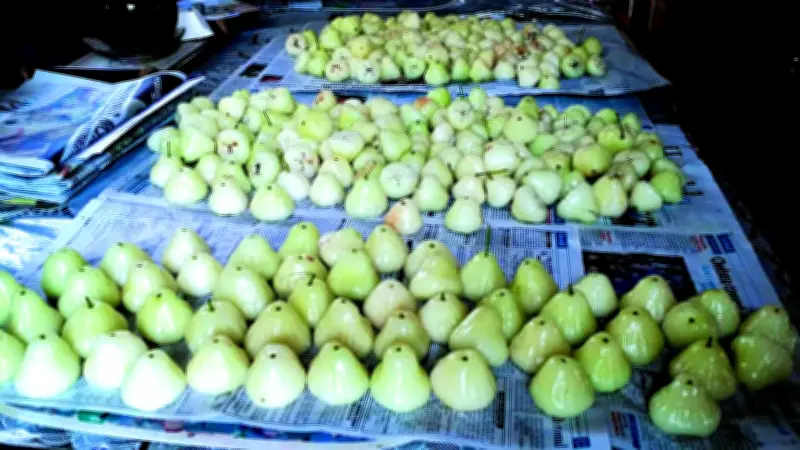
Goa's Wild Summer Fruits Experience Dramatic Price Increases Amid Urbanization
In a significant shift for local markets, traditional summer fruits in Goa that were once considered humble and affordable are now commanding premium prices. Varieties such as water apples, jamun, and other wild berries, which previously sold for as little as ₹1 per piece, are now being priced between ₹5 and ₹8 each. This represents a staggering increase of 500% to 800%, highlighting a major transformation in the region's seasonal fruit economy.
Labor Costs and Urbanization Drive Price Surge
The primary factors behind this dramatic price hike are twofold: rising labor costs and extensive urbanization. These seasonal berries are not commercially cultivated in Goa but instead grow inconspicuously in the wild or within private home gardens. With daily wages for fruit gatherers now ranging between ₹800 and ₹900, those harvesting these fruits must calculate prices to ensure viable earnings.
"Home growers need to especially hire labour services to pluck water apples, rose apples and jamuns and therefore price these fruits based on daily wage expectations," explained home grower Marietta D'Silva from Sangolda. This labor cost is directly passed on to consumers, making even traditionally inexpensive, foraged fruits increasingly costly.

Urbanization has further exacerbated the problem by significantly reducing the number of fruit-bearing trees across the region, thereby limiting supply. Vendors in the Panaji market report that berries such as 'kanta', 'chunna', mulberries, gooseberries, bimbli, and kokum are no longer easy to forage in substantial quantities.
Diminishing Wild Harvests and Changing Landscapes
One hawker shared a poignant comparison: "Over 30 years ago, we would walk along the hillsides at Socorro and Bambolim to pluck them. Sometimes we would even cross the river to forage in Divar and Chorao. Now, there are so many developmental projects in these areas that even if we manage to find 10 trees or pluck 1,000 berries, we consider it to be a productive day."
This stark reduction in available wild fruit trees means that what was once an abundant seasonal resource has become scarce, forcing prices upward as demand continues to outpace diminishing supply.
Income Disparity Affects Consumption Patterns
The price increases are creating noticeable shifts in consumption patterns, particularly among different income groups. "A person earning less than ₹25,000 a month may struggle to afford mancurad mangoes priced at ₹2,000 a dozen. As a result, they binge on affordable wild berries for a few weeks till mango prices become more economical. Now, even those buyers are complaining about the price hike of humble fruits," noted fruit vendor Shakir Shaikh.
This situation creates a challenging dynamic where traditionally accessible fruits are becoming less affordable for lower-income consumers, potentially altering long-standing seasonal eating habits.
Steady Demand Despite Rising Prices
Despite these challenges, demand for these summer fruits remains remarkably steady. "There is a strong emotional and cultural connection to summer fruits," emphasized horticulturist Miguel Braganza. "People want to buy them even if prices are high, as it's something they've grown up foraging and eating."
This cultural significance ensures that these fruits maintain their market presence, even as economic factors make them increasingly expensive. The combination of nostalgia, tradition, and seasonal availability creates a unique market dynamic where price elasticity appears limited despite significant increases.
The situation in Goa reflects broader trends affecting traditional food systems in rapidly developing regions, where urbanization and economic changes intersect with cultural practices and seasonal traditions.






