

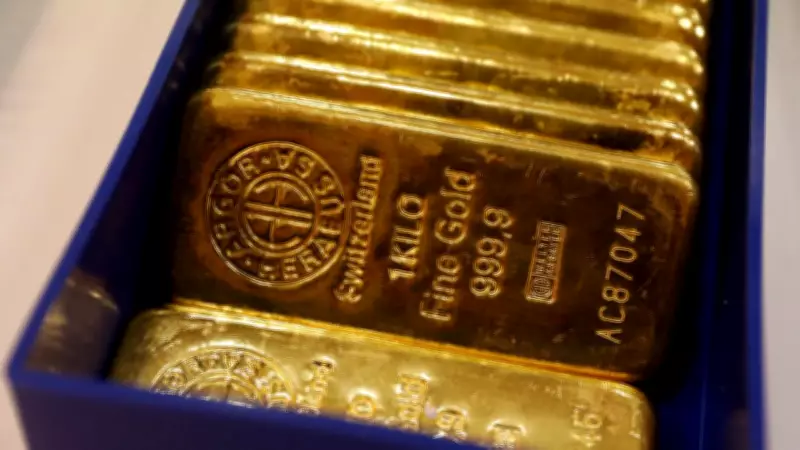
Precious Metals Defy Conventional Wisdom as Prices Slide Amid Global Turmoil
For years, the accepted wisdom in financial markets held that global uncertainties and inflation would inevitably drive the prices of precious metals upward. However, the ongoing war in West Asia is challenging this long-held assumption, revealing a more complex economic landscape.
Unexpected Price Declines in Gold and Silver
Despite heightened global uncertainties and fears of oil-price-led inflation, the prices of gold and silver have moved southward, contrary to expectations. Market players and analysts point to several key factors behind this surprising trend.
The changing global market and economic structure has slowed de-dollarization moves compared to the pre-war period. Additionally, fears of rising interest rates due to higher inflation are pulling down prices of these two precious metals. Several central banks, which were consistent buyers of gold for months, have now started selling their holdings.

Significant Price Drops Since Conflict Began
Consider these striking figures: Since the war started, the price of gold in the local market has fallen 12% to approximately Rs 1.4 lakh per 10 grams, while silver is down 14% to Rs 2.3 lakh per kilogram.
In international markets, the decline is even more pronounced. Gold has dropped 16.5% to $4,367 per ounce, while silver now trades at $68.5 per ounce. The slide becomes even more dramatic when considering all-time peak prices recorded in late January this year.
- In domestic markets, gold has lost 19% from its peak, while silver is down 41%
- In international markets, gold has shed 20% and silver has declined 42%
The De-Dollarization Factor and Its Reversal
According to a local fund manager, the past couple of years witnessed a significant de-dollarization wave, with economies attempting to move away from the US dollar as the primary currency for international trade. This trend led to a slide in the dollar's value, reflected in the dollar index falling from a high of 114 in September 2022 to a low of 97 by mid-February this year.
"The war has slowed down the de-dollarization move," explained the fund manager. "Also, the conflict has raised the specter of inflation that could lead to higher interest rates. Large buyers of precious metals keep their holdings in warehouses, paying rents with borrowed money. With prospects of higher interest rates on the horizon, warehouse rents would also rise, prompting some profit-taking by selling portions of their holdings."
Analyst Perspectives on Market Sentiment
Jateen Trivedi, VP Research Analyst for Commodity & Currency at LKP Securities, noted in a recent analysis that despite some temporary gains in precious metals, the upside remains capped as the broader macroeconomic environment remains unsupportive.
"Despite temporary relief, markets continue to factor in inflation risks from elevated crude prices and uncertainty around interest rate trajectory, which keeps gold sentiment fragile," Trivedi observed.
Silver's Additional Challenges
For silver, which has lost over 40% from its all-time peak in the domestic market, a slowdown in industrial demand due to the war represents an additional factor weighing down prices. Analysts emphasize that silver's dual role as both a precious metal and industrial commodity makes it particularly vulnerable to economic disruptions.
The current market dynamics demonstrate how global conflicts can have counterintuitive effects on traditional safe-haven assets, with multiple economic forces interacting in ways that challenge conventional market wisdom.






