

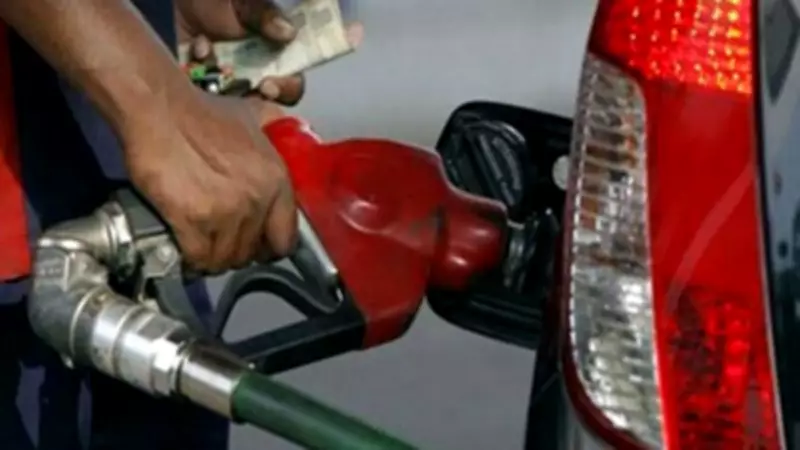
Government Announces Major Excise Duty Cut on Fuel
In a significant move to provide relief to consumers and curb inflation, the Indian government has announced a substantial reduction in excise duty on petrol and diesel. Effective immediately, the excise duty has been slashed by Rs 10 per litre for both fuels. This decision comes amid ongoing global economic turmoil and rising crude oil prices, which have been putting pressure on domestic fuel costs and overall inflation rates.
Impact on Consumer Prices
The reduction in excise duty is expected to lead to a direct decrease in the retail prices of petrol and diesel across the country. For consumers, this means lower fuel expenses for daily commutes, transportation, and various sectors reliant on these fuels. The move is particularly timely as it aims to alleviate the financial burden on households and businesses grappling with high inflation and economic uncertainties.
Government's Rationale Behind the Decision
The government cited global market volatility and the need to support the domestic economy as key reasons for this policy change. By cutting excise duty, authorities hope to stimulate economic activity by reducing operational costs for industries and boosting consumer spending power. This step is part of broader efforts to manage inflationary trends and ensure stability in the face of external shocks.

Broader Economic Implications
This excise duty cut is anticipated to have several positive effects on the economy:
- Reduced Inflation: Lower fuel prices can help cool down overall inflation, as transportation and production costs decrease.
- Increased Disposable Income: Consumers may have more money to spend on other goods and services, potentially boosting demand.
- Support for Businesses: Sectors like logistics, agriculture, and manufacturing could benefit from reduced fuel expenses, improving their profitability.
However, the government will need to balance this with potential revenue losses from the duty reduction, which might impact fiscal planning.
What This Means for You
For the average citizen, this policy translates into tangible savings at the fuel pump. Whether you're a daily commuter, a business owner, or someone reliant on goods transportation, the lower prices should provide some financial relief. It's a proactive measure by the government to cushion the impact of global economic challenges on Indian consumers and the broader economy.






