

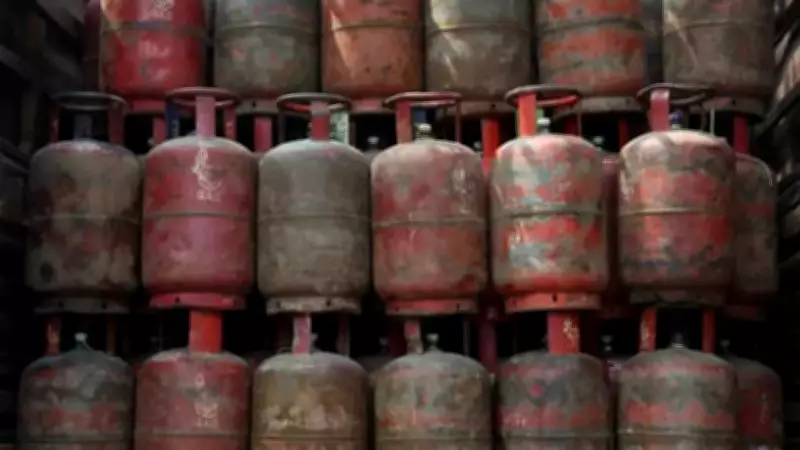
Government Expands Commercial LPG Allocation to Support Food and Hospitality Sector
In a significant relief measure for the food and hospitality industry, the government on Saturday announced a 20% additional quota for commercial liquefied petroleum gas (LPG) cylinders. This increase elevates the overall allocation to 50% of pre-conflict levels, aiming to mitigate supply disruptions that have plagued businesses.
Priority Allocation for Key Sectors
The Ministry of Petroleum and Natural Gas specified that the enhanced allocation will be prioritized for several critical areas. These include restaurants, dhabas, hotels, industrial canteens, food processing units, dairy facilities, subsidized canteens operated by state governments and local bodies, and community kitchens. Additionally, the move will bolster the distribution of 5kg portable cylinders, which are crucial for migrant workers.
This allocation is set to become available starting Monday, providing immediate support to entities grappling with shortages.

Registration and Eligibility Requirements
To avail of the commercial LPG cylinders, entities must register with oil marketing companies (OMCs). They are required to detail the end use of the gas and also register for piped natural gas (PNG) connections to qualify for the additional allocation. In a letter to chief secretaries of states and union territories, Petroleum Secretary Neeraj Mittal emphasized that all commercial and industrial LPG consumers must enroll with OMCs to access the 50% quota.
"OMCs shall register such customers and keep a record of the sector they operate in, the end-use of LPG and the annual weight requirement... of that customer in the respective database(s)," Mittal stated. He added that consumers must demonstrate readiness for PNG before becoming eligible for extra LPG allocation.
Impact on Hospitality Industry and Supply Challenges
Hotel associations have reported severe impacts from the LPG shortage, estimating that nearly 30% of hotels and restaurants were forced to shut down. Many others reduced operating hours, trimmed menus, and restricted kitchen activities to conserve limited stocks. While the government acknowledged on Saturday that LPG supply remains a concern due to geopolitical conditions, the decision to increase commercial allocation suggests a slight improvement in the overall situation.
Recent data shows progress in gas connections: till Thursday, 13,700 new piped gas connections were issued over nearly a fortnight, and more than 7,300 consumers shifted from LPG to PNG since the beginning of the week.
Background and Previous Measures
Following supply disruptions triggered by military conflicts in West Asia, the government initially halted commercial cylinder sales and prioritized domestic LPG, along with ensuring supplies to hospitals and educational institutions. It later permitted 20% of the average monthly requirement for commercial and industrial users, delegating distribution priorities to states.
On March 18, the ministry issued another order allowing an additional 10% allocation to states, contingent on reforms and accelerated expansion of PNG infrastructure. Over 20 states and union territories have since issued orders to allocate non-domestic LPG in accordance with these guidelines.
India's LPG Import Dependence and Sourcing
India imports approximately half of its LPG requirements, with about 90% sourced from West Asia. To diversify supplies, the country is engaging in deals with the United States and tapping other nations such as Russia, Japan, and Norway. This strategic sourcing aims to stabilize availability amid ongoing global tensions.
The government's latest move underscores its commitment to supporting critical industries while navigating complex geopolitical and supply chain challenges.






