

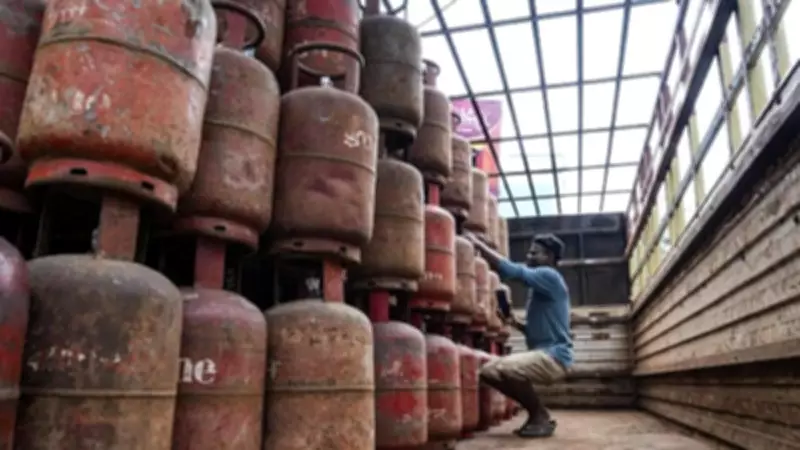
Government Reviews Proposal for 10 Kg LPG in 14 Kg Cylinders Amid Global Tensions
Recent reports have surfaced indicating that the Indian government is actively considering a significant proposal to permit the filling of 10 kilograms of liquefied petroleum gas (LPG) into standard 14-kilogram cylinders. This move is reportedly aimed at providing immediate relief to consumers grappling with rising energy costs, which have been exacerbated by ongoing geopolitical tensions in the West Asia region. The proposal, which is said to be under review by the Oil Ministry, has sparked widespread discussion, though officials have labeled the reports as highly speculative at this stage.
Background and Rationale Behind the Proposal
The initiative emerges against a backdrop of escalating conflicts in West Asia, which have disrupted global energy markets and led to volatile pricing for essential commodities like LPG. In India, LPG is a critical household fuel, used by millions for cooking and heating purposes. The potential shift to allowing 10 kg fills in 14 kg cylinders is viewed as a strategic measure to mitigate the financial burden on consumers, particularly low-income families who rely heavily on subsidized or affordable LPG supplies. By reducing the quantity per cylinder, the government could potentially lower upfront costs for users, making it more accessible during times of economic strain.
Industry experts suggest that this proposal, if implemented, could represent a temporary adjustment rather than a permanent change, designed to cushion the impact of international supply chain disruptions. The West Asia conflict has not only affected crude oil prices but also influenced LPG availability and costs, prompting authorities to explore innovative solutions to maintain stability in the domestic market. However, the Oil Ministry has emphasized that no formal decision has been made, and the reports remain unconfirmed, urging caution among stakeholders and the public.

Current Status and Government Response
According to sources familiar with the matter, the proposal is currently in the preliminary stages of evaluation, with discussions ongoing between various government departments and industry representatives. The Oil Ministry has issued a statement clarifying that while such ideas are periodically reviewed as part of policy deliberations, the specific claim about 10 kg LPG in 14 kg cylinders is highly speculative. Officials have reiterated that any changes to LPG cylinder standards would require thorough analysis, including considerations of safety, logistics, and consumer impact, before being formally proposed or enacted.
In response to the reports, consumer advocacy groups have expressed mixed reactions. Some welcome the potential for reduced costs, especially amid inflationary pressures, while others raise concerns about the practicality and long-term implications of altering cylinder specifications. For instance, there are questions about how this would affect existing distribution networks, cylinder durability, and whether it might lead to confusion among users accustomed to the standard 14 kg format. The government is expected to weigh these factors carefully, with any decision likely to be announced only after comprehensive consultations and feasibility studies.
Broader Implications for the Energy Sector
This development highlights the broader challenges facing India's energy sector in an era of global uncertainty. The West Asia conflict has underscored the vulnerability of supply chains to geopolitical events, pushing governments to adopt flexible policies that can adapt to changing circumstances. Allowing 10 kg LPG in 14 kg cylinders could serve as a stopgap measure to enhance affordability without compromising on the essential supply of cooking gas. It also reflects a growing trend toward consumer-centric reforms in the energy domain, where authorities are increasingly focused on balancing economic realities with public welfare.

Looking ahead, stakeholders will be closely monitoring any official announcements from the Oil Ministry or related bodies. If the proposal moves forward, it could set a precedent for similar adjustments in other sectors affected by global tensions. For now, the government's cautious approach suggests a commitment to evidence-based decision-making, ensuring that any changes to LPG policies are both sustainable and beneficial for all parties involved. As the situation evolves, further updates are anticipated, with the potential to reshape how India manages its domestic energy needs in a volatile world.





