

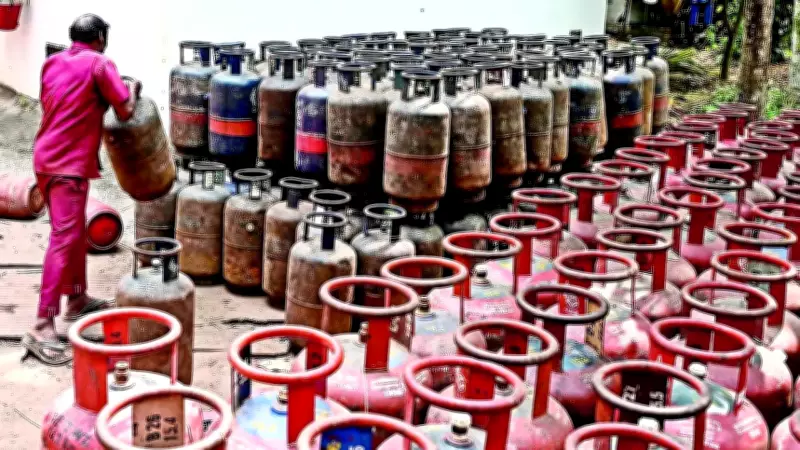
Government Intensifies Efforts to Streamline Gas Distribution Network
The government has significantly ramped up initiatives to streamline gas distribution and alleviate supply pressures across the country. In a strategic move to accelerate the rollout of piped natural gas (PNG), authorities have directed faster processing of city gas projects while simultaneously increasing allocations of commercial liquefied petroleum gas (LPG) to critical sectors. These measures come amid a challenging geopolitical environment that continues to impact global energy markets.
Accelerated Processing for City Gas Distribution Projects
The Petroleum and Explosives Safety Organisation (PESO) has issued specific instructions to its regional offices to dispose of City Gas Distribution (CGD) applications within a strict 10-day timeframe. This directive aims to expedite the expansion of PNG infrastructure nationwide, according to an official government statement. The accelerated processing represents a significant administrative reform designed to overcome bureaucratic delays that have historically slowed energy infrastructure development.
Commercial LPG consumers in major metropolitan areas and urban centers have been formally advised to transition to PNG as part of a comprehensive strategy to reduce national dependence on bottled LPG. This shift aligns with broader energy security objectives and environmental considerations, as natural gas typically offers cleaner combustion and more stable pricing compared to petroleum-based alternatives.

Stable Domestic Supply and Delivery Systems
Despite global market uncertainties, domestic LPG supply remains consistently stable across India. The government statement confirmed there have been no reported dry-outs at distributor facilities, with normal delivery patterns maintained throughout the country. Most domestic deliveries are currently being executed through the Delivery Authentication Code (DAC) system, which has helped streamline distribution logistics.
Notably, panic bookings that occasionally disrupt supply chains have substantially subsided, indicating improved consumer confidence in the reliability of LPG delivery systems. This stabilization comes as welcome news to households that depend on consistent fuel access for daily cooking needs.
Substantial Increases in Commercial LPG Allocations
On the commercial front, the government has implemented progressive increases in LPG allocations through a series of strategic decisions. After initially restoring 20 percent of commercial supply earlier this year, authorities announced an additional 10 percent allocation on March 18, specifically linked to PNG expansion reforms. This was followed by a further 20 percent allocation clearance on March 21, bringing total commercial LPG supply to 50 percent of normal capacity.
The latest allocation increases prioritize several essential sectors including:
- Restaurants, dhabas, and hotel kitchens
- Industrial canteens and food processing units
- Dairy operations and community kitchens
- Subsidized food outlets operated by state governments and local bodies
Special provision has also been made for 5-kilogram cylinders catering specifically to migrant worker populations, addressing the unique needs of this mobile demographic.
Implementation and Sector-Specific Prioritization
Approximately twenty states and Union Territories have already implemented the revised allocation guidelines, while public sector oil marketing companies continue to supply commercial LPG in remaining regions. Over the past eight days alone, commercial entities have lifted approximately 15,440 tonnes of LPG, demonstrating substantial demand across business sectors.
Educational institutions and healthcare facilities continue to receive priority status in allocation decisions, collectively accounting for nearly half of total commercial LPG distribution. This prioritization reflects the government's commitment to maintaining uninterrupted operations in sectors critical to public welfare and national development.

Despite ongoing global uncertainties affecting energy supply chains, government officials have indicated that domestic availability remains firmly under control. Simultaneously, efforts continue to transition urban consumers toward PNG infrastructure as part of long-term energy strategy. The combined approach of accelerating gas distribution projects while strategically managing LPG allocations represents a multifaceted response to complex energy challenges facing the nation.





