

India Takes Emergency Measures to Secure Natural Gas Amid Global Supply Crisis
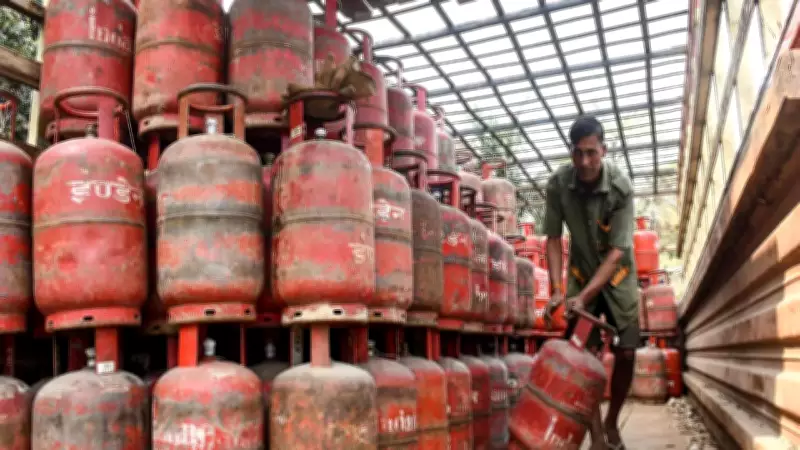
Confronting a severe liquefied natural gas (LNG) shortage, the Indian government on Monday invoked the Essential Commodities Act of 1955 to implement emergency reallocation measures. This decisive action involves slashing gas allocations for fertilizer production and various industrial sectors while guaranteeing full supply availability for priority areas including domestic piped natural gas (PNG) for household kitchens, compressed natural gas (CNG) for transportation, and LPG production.
High-Level Government Response to Energy Emergency
The emergency declaration follows days of reassurances from the petroleum ministry about comfortable supplies, even as officials sought additional LNG flows from Canada and Australia to compensate for significant outages from Qatar, India's primary LNG supplier. Within hours of the official notification, Prime Minister Narendra Modi convened an urgent meeting with Petroleum Minister Hardeep Puri and External Affairs Minister S. Jaishankar to assess the situation's impact on national energy security.
During an earlier Cabinet meeting, Prime Minister Modi directed all ministers to evaluate the crisis within their respective ministries and engage with stakeholders to prevent public suffering resulting from escalating conflicts in West Asia. The government's response reflects growing concern about energy disruptions affecting millions of Indian citizens.

Sector-Specific Allocation Cuts and Priority Protection
The emergency measures implement specific allocation reductions across non-priority sectors:
- Fertilizer units will receive only 70% of their average consumption from the previous six months, with many facilities already advancing planned shutdowns
- Industrial units face allocation cuts to 80% of their six-month average consumption
- Refineries will receive just 65% of their natural gas requirements
- Petrochemical facilities and power plants will experience full or partial supply curtailment
These reductions will redirect gas supplies to ensure uninterrupted availability for priority sectors that directly impact daily life for millions of Indians. The government specifically cited the essential nature of PNG and CNG availability as justification for invoking emergency powers under the Essential Commodities Act.
India's LNG Dependency and Supply Chain Disruptions
India imports approximately half of its daily natural gas requirements, which total around 190 million standard cubic meters. More than 50% of imported LNG traditionally arrives from Qatar and the United Arab Emirates through the Strait of Hormuz, a critical shipping channel that has remained effectively closed to vessel movement for nearly ten days due to regional conflicts.
Government officials confirmed ongoing negotiations with multiple countries to establish alternative LNG import routes while domestic refiners have made emergency spot purchases to meet immediate requirements. The petroleum ministry is coordinating with the shipping and road transport ministries through regular stakeholder consultations to address logistical challenges.
Broader Economic Implications and Buffer Measures
Beyond energy security, inter-ministerial consultations are focusing on maintaining price stability for essential commodities. Government officials emphasized sufficient buffer stocks of rice, pulses, and other critical items to prevent inflationary pressures from the energy crisis.
The gazette notification explicitly states that regulating LNG production, sector-wise allocation, and supply diversion is necessary to ensure equitable distribution and continued availability for priority sectors. GAIL (India) Limited, in coordination with the Petroleum Planning and Analysis Cell, will manage natural gas supplies to implement these emergency directives effectively.

While natural gas serves as essential feedstock for fertilizers, petrochemicals, tea industries, manufacturing, and power generation, the government has determined that protecting household energy access and transportation fuel takes precedence during this supply emergency. This represents one of the most significant interventions in India's energy sector in recent years, highlighting the complex challenges of maintaining energy security amid global geopolitical instability.





