

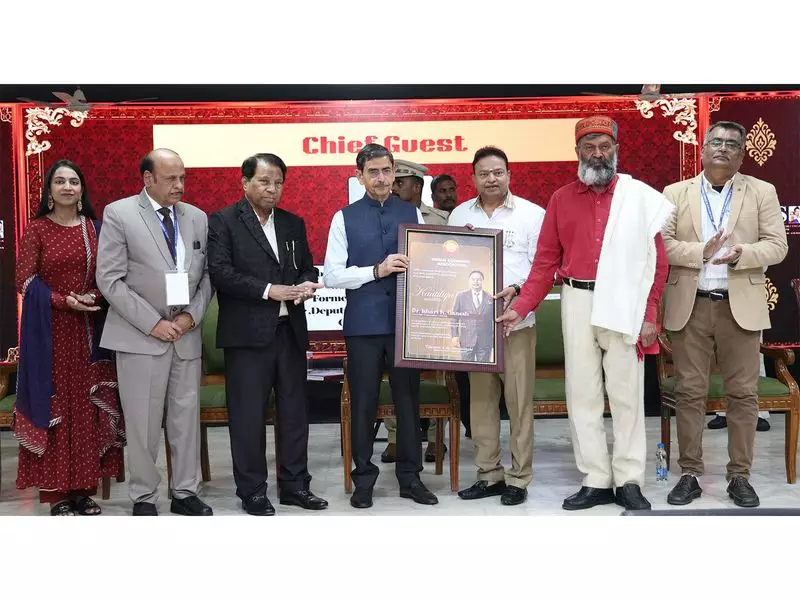
The 108th annual conference of the Indian Economic Association (IEA), a pivotal gathering for the nation's economic thinkers, successfully concluded at Vels University in Chennai. The three-day event, held from December 27 to 29, 2023, served as a crucial platform for over 500 economists, academicians, and policymakers to deliberate on the roadmap for India's ambitious economic future.
Charting the Course for a $5 Trillion Economy
The central theme of the conference, "India's March Towards $5 Trillion Economy: Challenges and Opportunities," set the agenda for intense discussions. Esteemed economists and experts presented more than 400 research papers, dissecting the multifaceted challenges and leveraging opportunities to achieve this formidable national goal. The deliberations underscored the need for robust policy frameworks, enhanced investment in human capital, and technological innovation to accelerate growth.
In his presidential address, Professor Purnendu Sekhar Das provided a comprehensive analysis of the current economic landscape. He outlined strategic priorities, emphasizing sustainable development, job creation, and equitable growth as non-negotiable pillars for India's economic ascent. The conference also featured a special lecture by Dr. C. Rangarajan, former Chairman of the Prime Minister's Economic Advisory Council, whose insights added significant depth to the policy discourse.

Vels University as a Hub of Economic Discourse
The hosting of this prestigious event by Vels University marked a significant moment for the institution. Dr. Ishari K. Ganesh, Chancellor of Vels University, expressed pride in facilitating a national dialogue of such importance. The university's role extended beyond logistics; it actively contributed to the intellectual exchange, reinforcing its position as a leading center for academic and policy research in India.
The conference was inaugurated by Thiru. Ma. Subramanian, the Minister for Health and Family Welfare of Tamil Nadu, highlighting the government's recognition of the event's significance. His presence bridged the gap between academic economic theory and practical governance, stressing the importance of implementable strategies emerging from such forums.
Key Outcomes and Future Directions
A major outcome of the conference was the reinforcement of collaborative networks among India's economic minds. The exchange of ideas among veteran economists and young researchers fostered a dynamic environment for problem-solving. Discussions critically examined sectors requiring immediate attention, including:
- Agricultural Modernization: Enhancing productivity and farmer income.
- Manufacturing & Export Competitiveness: Strengthening 'Make in India' and global trade integration.
- Digital Infrastructure: Leveraging technology for inclusive growth and service delivery.
- Fiscal Management: Balancing growth objectives with fiscal prudence.
The conference concluded with a resolve to translate academic research into actionable policy recommendations. The IEA aims to compile and present these insights to relevant government bodies, ensuring the deliberations at Vels University have a tangible impact on national economic planning. The event successfully set a proactive and analytical tone for navigating the complexities of achieving a $5 trillion economy, marking another milestone in the IEA's long history of shaping India's economic thought.






