

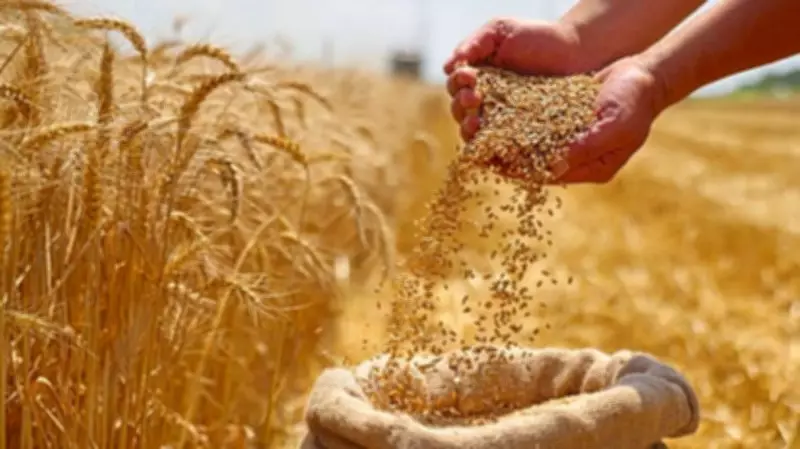
India Grants Approval for Significant Wheat Export Volume
The Government of India has officially authorized the export of 25 lakh metric tonnes of wheat, a move that underscores the country's robust agricultural output and strategic trade positioning. This decision, announced in February 2026, reflects careful planning to balance international market opportunities with domestic food security requirements.
Projected Stock Levels Ensure Domestic Needs Are Met
According to official estimates, the Food Corporation of India (FCI) central pool is expected to maintain a substantial reserve of approximately 182 lakh tonnes of wheat by April 1, 2026. This projection provides a strong buffer, ensuring that domestic consumption needs will be fully satisfied even after the approved exports are carried out.
The government's approach prioritizes both economic benefits from exports and the stability of the internal food supply chain. By allowing this export volume, India aims to capitalize on favorable global market conditions while safeguarding its own population's access to essential grains.

Strategic Implications for Agricultural Policy
This export permission is part of a broader strategy to manage surplus production effectively. Key aspects include:
- Enhanced farmer income through access to international markets.
- Reduced storage costs for government agencies by optimizing stock levels.
- Strengthened trade relations with importing nations, boosting India's global agricultural influence.
The decision follows comprehensive assessments of production forecasts, consumption patterns, and logistical capabilities. Authorities have emphasized that the export volume is calibrated to avoid any risk of shortage within the country, with the FCI pool serving as a reliable safeguard.
Future Outlook and Monitoring
Going forward, the government plans to continuously monitor wheat stocks and market dynamics to adjust policies as needed. This proactive stance ensures that India can respond flexibly to changing circumstances, whether in domestic demand or international trade scenarios.
In summary, the approval of 25 lakh metric tonnes for export represents a calculated step that leverages India's agricultural strengths without compromising on food security. With projected reserves of 182 lakh tonnes, the nation is well-positioned to meet both internal and external demands effectively.






